What is Crawl Space Restoration?
Definition of Crawl Space Restoration
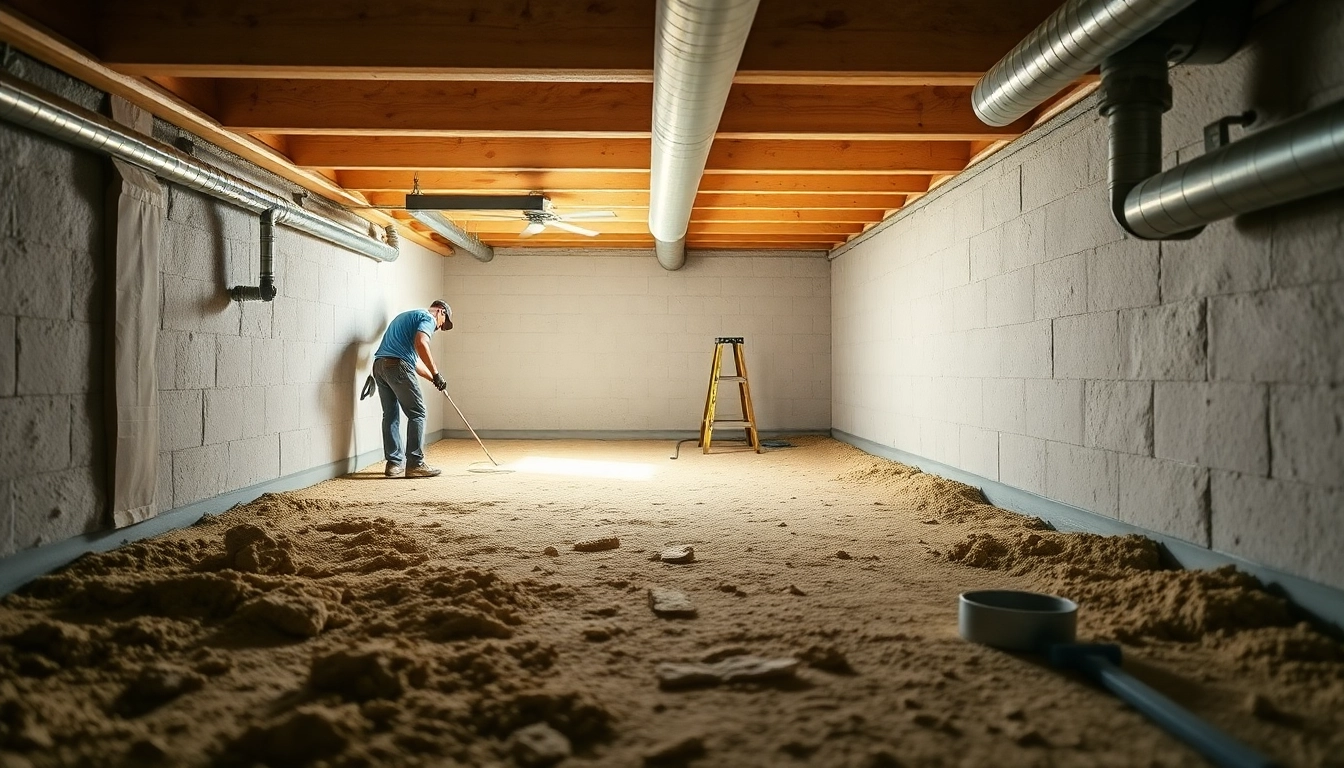
Crawl Space Restoration is the process of repairing and revitalizing the often-neglected crawl space beneath a home. It involves addressing various structural, moisture-related, and air quality issues that can compromise the safety and integrity of the entire building. Restoration may include cleaning, sealing, and encapsulating the crawl space, along with implementing solutions to control moisture and enhance ventilation.
Importance of Crawl Space Maintenance
Maintaining your crawl space is crucial for several reasons. It helps prevent structural damage caused by dampness, mold growth, and pest infestations, which can lead to costly repairs. Furthermore, a well-maintained crawl space contributes to better indoor air quality, reducing health risks associated with airborne pollutants and allergens. For those looking to enhance their home’s longevity and health, Crawl Space Restoration is essential.
Key Benefits of Crawl Space Restoration
- Improved Air Quality: Regular restoration reduces the presence of mold and allergens, leading to healthier indoor environments.
- Enhanced Energy Efficiency: Insulation and sealing effectively control temperature fluctuations, reducing heating and cooling costs.
- Increased Property Value: A well-maintained crawl space can increase home valuation, attracting potential buyers.
- Preventing Structural Damage: Addressing water accumulation and pests preserves the integrity of your home.
- Peace of Mind: Knowing that your crawl space is well-maintained alleviates concerns regarding any health or structural issues.
Common Issues in Crawl Spaces
Moisture Problems and Their Impacts
Moisture is the most common problem encountered in crawl spaces. High humidity levels can lead to several serious conditions, including mold growth, wood rot, and a favorable environment for pests. Persistent moisture problems can severely affect the structural integrity of a home, leading to sagging floors and weakened foundations. Regular inspections and active moisture management strategies are vital to mitigating these risks.
Structural Damage Risks
Failing to address structural issues in the crawl space can lead to extensive and costly repairs. Common structural problems include weakened support beams, sagging joists, and damaged foundations due to rot or pest activity. Over time, such issues can result in significant safety hazards, necessitating immediate attention.
Health Concerns from Poor Ventilation
Poor ventilation in crawl spaces can result in a host of health issues for occupants. Accumulated moisture creates a breeding ground for mold and mildew, which can trigger allergies and respiratory problems. Additionally, stagnant air promotes the release of volatile organic compounds (VOCs) from building materials, further degrading air quality. Ensuring appropriate ventilation is a key component of crawl space restoration efforts.
Steps to Effective Crawl Space Restoration
Initial Assessment and Inspection
The first step in crawl space restoration is conducting a comprehensive inspection. Look for evidence of moisture, mold, pest infestations, and structural damage. It’s essential to document these findings and assess the overall condition of the space. Professional inspectors often employ tools to measure humidity levels and assess air quality, providing a complete picture of the situation.
Drainage Solutions and Moisture Control
Effective moisture control starts with proper drainage solutions. This may involve installing sump pumps, French drains, or proper grading outside the home to redirect water away from the foundation. Vapor barriers can also be implemented to prevent moisture from seeping through the soil. In areas prone to heavy rain, these solutions are critical to maintaining a dry and safe crawl space.
Insulation and Ventilation Improvements
Once moisture issues are addressed, it’s time to improve insulation and ventilation. Installing high-quality insulation effectively reduces heat loss, enhances energy efficiency, and minimizes temperature fluctuations. Moreover, ventilating the crawl space with exhaust fans or vents allows for improved airflow, further assisting in humidity control. Both of these enhancements create a healthier environment within the home.
DIY vs. Professional Crawl Space Restoration
When to Consider DIY Repair
For minor issues, such as cleaning or sealing small leaks, homeowners might consider a DIY approach to crawl space restoration. Tasks like reinforcing insulation or checking for visible mold can be manageable depending on experience and comfort level. However, it is essential to understand your limits, as some problems may require professional intervention to ensure safety and compliance with local regulations.
Benefits of Hiring Professionals
Hiring professionals for crawl space restoration brings numerous benefits, including expertise in identifying hidden issues, access to specialized tools, and effective solutions tailored to your home’s needs. Professionals can also provide warranties for their work, offering peace of mind. Furthermore, technicians are trained to perform tasks safely, minimizing risks associated with working in confined or hazardous spaces.
Cost Comparisons: DIY vs. Professional Services
While DIY restoration may seem cost-effective initially, it often cannot match the efficiency or quality of professional services. Homeowners must consider the potential costs of recurring issues due to inadequate repairs. Budgeting for professional help can save money in the long run by ensuring a thorough job is done the first time, potentially avoiding extensive future repairs.
FAQs About Crawl Space Restoration
How often should crawl space be inspected?
Inspections are recommended annually or after heavy storms to ensure moisture levels are managed.
Can I perform crawl space restoration myself?
While DIY is possible, professional services offer expertise, safety, and guarantees on work.
What are the signs I need crawl space restoration?
Signs include musty odors, mold growth, water pooling, or sagging floors above the crawl space.
How long does restoration take?
Time frames vary but typically last one to three days depending on the severity of the issues.
Is crawl space encapsulation necessary?
Encapsulation is highly beneficial for controlling moisture and improving indoor air quality.