
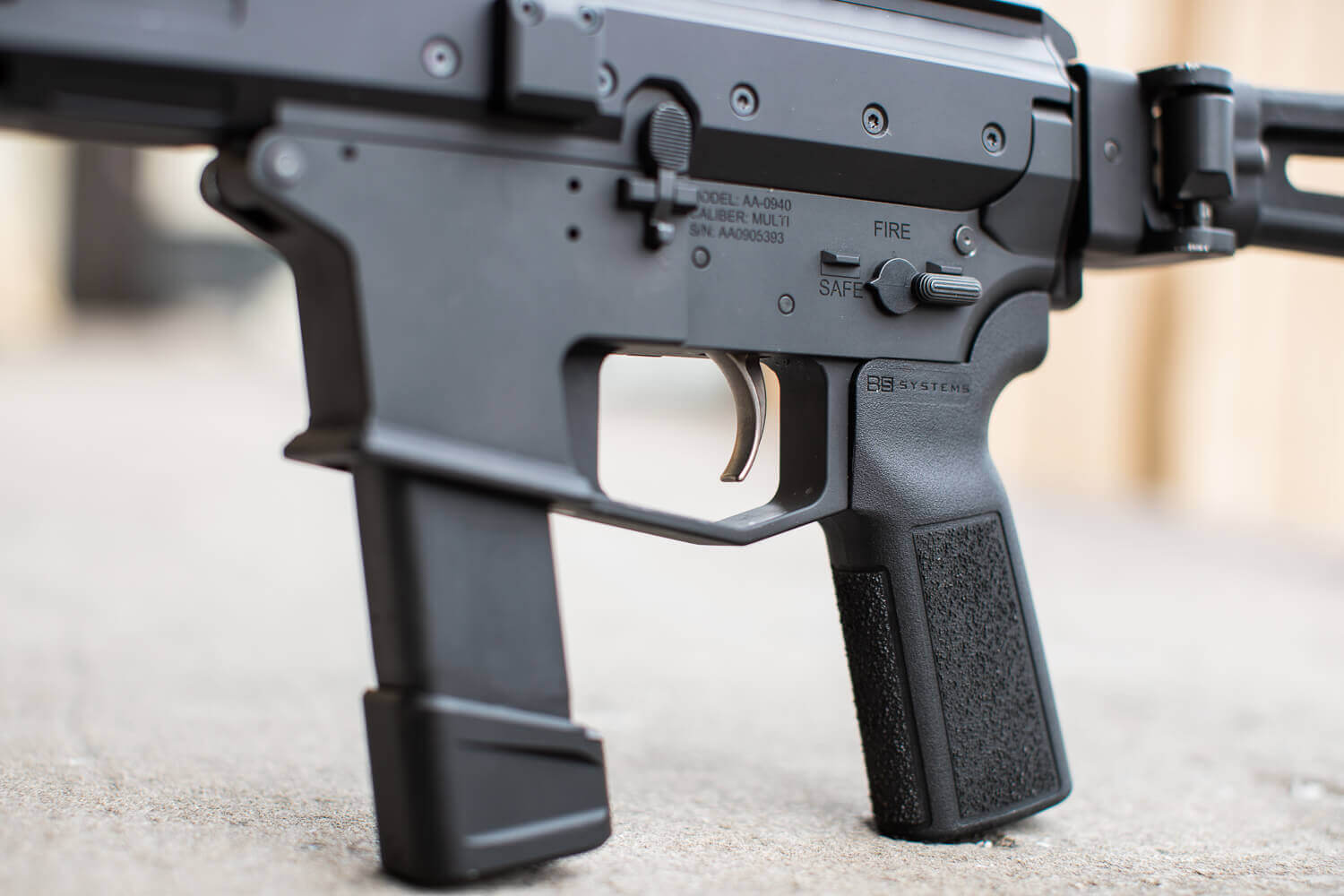
When it comes to building or maintaining an AR 10 rifle, one of the most crucial components is the AR 10 trigger. A properly functioning trigger not only enhances accuracy but also ensures safety and reliability. Many shooters encounter common issues with their Ar 10 trigger setup, ranging from heavy pull weights to inconsistent resets. In this article, we will explore the most frequent problems and provide solutions to optimize your AR 10 trigger.
Understanding the AR 10 Trigger
Before diving into troubleshooting, it’s essential to understand how an AR 10 trigger works. The AR 10 trigger is designed to release the hammer when pressure is applied to the trigger shoe. It typically consists of the trigger, hammer, and disconnector. High-quality triggers reduce the amount of force required to fire, improve reset, and enhance overall shooting performance. Many shooters upgrade their AR 10 trigger to achieve a smoother and more responsive pull.
Common Problems With AR 10 Triggers
Many AR 10 owners face similar issues with their triggers. Understanding these problems is the first step toward fixing them.
Heavy Trigger Pull
A heavy trigger pull is one of the most common complaints. If your AR 10 trigger feels stiff or requires significant force to fire, it can negatively affect accuracy. This is often caused by insufficient lubrication, dirt accumulation, or a poorly tuned trigger assembly. Regular cleaning and proper lubrication can dramatically improve trigger pull weight. Some shooters also opt for aftermarket AR 10 triggers designed for lighter and smoother operation.
Inconsistent Reset
Another frequent issue is an inconsistent reset. The AR 10 trigger should reset promptly after each shot, allowing for quick follow-up shots. If your trigger fails to reset reliably, it could be due to improper installation, worn parts, or an improperly fitted disconnector. Carefully inspecting and replacing worn components can restore consistent performance. Ensuring the AR 10 trigger is correctly installed is critical for reliable reset functionality.
Trigger Creep
Trigger creep occurs when the AR 10 trigger moves slightly before the hammer releases. This can make precise shooting difficult and reduce accuracy. Creep is often caused by spring tension, manufacturing tolerances, or improper adjustment. Upgrading to a precision AR 10 trigger or fine-tuning your existing setup can help eliminate creep. High-quality triggers are designed to minimize creep and provide a crisp, clean break.
Trigger Noise
While some trigger noise is normal, excessive clicking or scraping sounds can indicate a problem. Trigger noise in an AR 10 setup often results from loose pins, insufficient lubrication, or metal-to-metal contact. Regular maintenance and using quality AR 10 triggers can reduce unwanted noise. A smooth and quiet trigger not only improves performance but also provides a more enjoyable shooting experience.
How to Properly Install an AR 10 Trigger
Correct installation is vital for optimal performance. Follow these steps to ensure your AR 10 trigger functions flawlessly:
- Disassemble the Lower Receiver – Always start by safely disassembling your AR 10 lower receiver. Ensure the rifle is unloaded before beginning any work.
- Inspect Components – Check all parts, including the hammer, disconnector, and trigger pins, for wear or damage. Replace any defective components.
- Lubricate Moving Parts – Apply a thin layer of quality firearm lubricant to reduce friction and ensure smooth operation.
- Install the Trigger Assembly – Carefully insert the AR 10 trigger into the lower receiver and secure it with the appropriate pins. Ensure everything fits snugly without forcing components.
- Function Test – Conduct a dry fire test to check for proper reset, trigger pull, and hammer engagement. Make adjustments as necessary.
Upgrading Your AR 10 Trigger
For shooters seeking better performance, upgrading the AR 10 trigger is a popular choice. Aftermarket triggers offer improved pull weight, reduced creep, and enhanced reset. Popular options include two-stage triggers, single-stage triggers, and drop-in triggers designed specifically for the AR 10 platform. Upgrading to a premium AR 10 trigger can transform your shooting experience and increase overall accuracy.
Maintenance Tips for Your AR 10 Trigger
Regular maintenance is key to avoiding common problems. Follow these guidelines to keep your AR 10 trigger in top condition:
- Clean Regularly – Dirt and carbon buildup can affect trigger performance. Clean your AR 10 trigger and surrounding components after every shooting session.
- Lubricate Properly – Use high-quality lubricants on all moving parts to ensure smooth operation and reduce wear.
- Inspect Frequently – Check your AR 10 trigger for signs of wear, cracks, or damage. Replace parts as needed to maintain safety and performance.
- Use High-Quality Parts – Always choose reputable brands when replacing or upgrading AR 10 trigger components. This reduces the risk of malfunctions and increases longevity.
Conclusion
A well-functioning AR 10 trigger is essential for safe and accurate shooting. By understanding common problems like heavy pull, inconsistent reset, trigger creep, and excessive noise, you can take the necessary steps to optimize your AR 10 trigger setup. Proper installation, regular maintenance, and considering high-quality upgrades ensure your AR 10 trigger delivers reliable performance every time. Whether you are a casual shooter or a competitive marksman, investing time and care into your AR 10 trigger will pay off in precision, safety, and overall shooting satisfaction.