
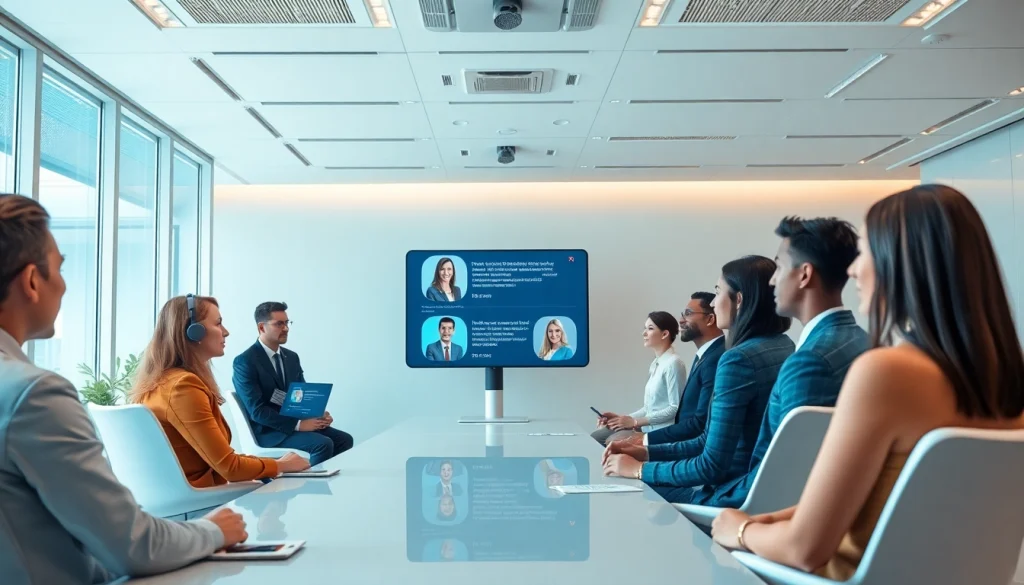
Understanding AI Interviews
The rise of technology has invariably transformed various sectors, and recruitment is no exception. Today, the advent of AI Interviews is fundamentally reshaping how candidates are assessed and hired. As organizations strive for efficiency and objectivity in their hiring processes, artificial intelligence is taking center stage, presenting both advantages and challenges in hiring practices.
The Rise of AI in Recruitment
The recruitment landscape has evolved dramatically over the past few years. With an ever-increasing number of applicants for each position, traditional hiring methods are being challenged. Humans are inherently biased, and statistics reveal that biases manifest in various stages of the recruitment process. As such, companies are exploring the integration of AI to streamline the recruitment process, reduce human error, and promote inclusivity.
From resume filtering to automated scheduling of interviews, AI applications were initially limited to preliminary stages. However, the introduction of AI-driven interviews has changed the dynamics significantly. Today, candidates often find themselves interacting with AI systems capable of evaluating not only their qualifications but also their communication skills and cultural fit.
How AI Interviews Work
AI interviews can be broadly categorized into two types: text-based and video-based interactions. Text-based AI interviews leverage chatbots or messaging systems to engage applicants through predetermined questions. In contrast, video interviews utilize artificial intelligence for real-time assessment using facial recognition and natural language processing technologies.
During a typical AI interview, candidates are prompted with standardized questions. Machine learning algorithms analyze verbal and non-verbal cues, assessing elements such as tone, facial expressions, and word choice to create a profile of the interviewee. The technology delivers valuable insights to employers, predicting a candidate’s potential performance within the organization.
Benefits of AI Interviews for Candidates
AI-driven interviews come with a myriad of benefits for candidates. Firstly, they offer a level playing field, minimizing biases related to race, gender, or age. Through AI, candidates are evaluated on their skills and qualifications instead of subjective interpretations that might occur in human assessments.
Additionally, AI interviews can provide candidates with immediate feedback, allowing them to understand their strengths and areas for improvement. This form of constructive feedback can be invaluable for job seekers, especially those who are less experienced or struggling to navigate the competitive job market.
Preparing for Your AI Interview
While AI interviews can streamline the evaluation process, thorough preparation is essential to ensuring positive outcomes. Understanding the nuances of AI-driven interviews can give candidates the edge they need to excel.
Common AI Interview Questions
AI interviews will often include common behavioral questions that can gauge a candidate's past experiences and decision-making process. Questions may include, “Can you describe a time when you had to overcome a challenge?” or “How do you prioritize your tasks?” Candidates should prepare structured responses, commonly known as the STAR method (Situation, Task, Action, Result), to effectively articulate their experiences.
Technical interviews may also include scenario-based questions tailored to specific roles. Candidates should anticipate industry-relevant inquiries and be prepared to discuss skills and competencies that could influence performance in the job.
Using AI Tools for Preparation
Numerous AI tools are available to assist candidates in preparing for interviews. Platforms like Google Interview Warmup and Interviewer.AI provide practice opportunities tailored to job descriptions, enabling candidates to rehearse their answers and receive AI-generated feedback.
Using these tools, candidates can enhance their confidence and refine their responses. They also allow individuals to simulate real interview environments, helping them become more comfortable interacting with AI technologies. This preparation ensures that they can perform well during the actual interview, even under pressure.
Practice Strategies for Success
Aside from utilizing AI tools, candidates should adopt various practice strategies to enhance their performance. Mock interviews are excellent for developing answering techniques and timing. It is beneficial to conduct these sessions with friends or mentors who can provide insights and critical feedback on body language and communication skills.
Recording practice sessions can also help individuals observe their responses objectively. Reviewing recordings can reveal valued insights about voice modulation, clarity of speech, and confidence levels that might go unnoticed in a live setting.
Navigating the AI Interview Experience
When entering an AI interview, understanding the process can significantly mitigate anxiety and foster a better experience. Candidates often need to adapt their expectations when engaging with AI technologies.
What to Expect During the Interview
AI interviews typically involve a systematic approach to evaluating candidates. Applicants might receive links to a platform that hosts the interview, requiring them to install necessary applications or software in advance. Interviews usually begin with an introductory message explaining the purpose and process.
Candidates should expect questions that flow logically, and they may be required to engage in dialogues that feel automatic. Key to success is ensuring that one maintains a natural conversation flow while directly answering questions. Candidates should focus on clarity and relevance in their responses while being mindful of their digital presence, including eye contact and postures that convey confidence.
Interpreting AI Feedback
After the interview, receiving AI-generated feedback can be an enlightening experience. These insights often cover areas such as speaking pace, keywords used, and even emotional tone. Understanding and interpreting these metrics can be instrumental in guiding improvements for future interviews.
However, candidates should approach AI feedback critically, recognizing that while it reflects an analytical view, it might not capture the nuances of human interactions. Constructing a balanced perspective that combines AI feedback with human insight can offer a holistic view for future growth.
Addressing Concerns About AI Interviews
Concerns about dehumanization in recruitment processes have stirred significant dialogue among candidates. Many individuals fear that AI interviews could erase personal elements critical to establishing a candidate’s fit within a corporate culture. Addressing these concerns demands a holistic understanding that AI should complement rather than replace human assessments.
Candidates can mitigate concerns by embracing transparency. Engaging companies on how they utilize AI in their hiring processes can empower candidates and cultivate a sense of trust. By understanding the rationale behind AI implementations, candidates can navigate recruitment processes with more confidence and assurance.
Best Practices for Engaging with AI
Successfully navigating AI interviews requires a blend of interpersonal and technical skills. Familiarity and comfort in engaging with AI systems can greatly influence performance outcomes, making it essential for candidates to develop competencies in this area.
Building Confidence in AI Interactions
Gaining confidence in AI interactions begins with understanding how these systems operate. Being aware that machine learning technologies assess variables beyond traditional human evaluations helps candidates feel more at ease during their interviews.
Additionally, candidates can enhance their confidence by practicing engagement techniques, particularly concerning voice inflections and clarity. Techniques such as controlled breathing and rehearsed vernacular can effectively minimize anxiety and enhance performance.
Improving Communication with AI
Effective communication is pivotal during AI interviews. Candidates should aim to articulate thoughts concisely and clearly, employing a straightforward structure in their responses. Speaking directly to the camera during video interviews can help simulate a human interaction, providing a sense of connection.
Moreover, mastering articulation techniques can strengthen impressions. Candidates can maximize their engagement by practicing good enunciation, maintaining an appropriate speaking pace, and expressing enthusiasm through varying tones.
Adapting to AI Interview Technologies
Familiarization with various AI interview platforms and technologies is vital for candidates to adapt effectively to this evolving landscape. Organizing practice sessions with various AI interview platforms helps familiarize candidates with question formats, technological interface, and live feedback mechanisms.
This adaptability ensures readiness to handle various software tools, ultimately making the experience seamless. Understanding the variance in AI systems also helps candidates tailor their approaches, emphasizing strengths relevant to specific company cultures or job types.
Future Trends in AI Interviews
The future of AI interviews is promising, driven by continual advancements in technology and shifting perspectives on recruitment practices. Predictions indicate that the expansion of AI within recruitment will redefine the perceptions of job seekers and employers alike.
Emerging Technologies in Recruitment
As AI technology continues to evolve, we can expect new innovations aimed at enhancing recruitment processes further. Technologies like natural language processing, sentiment analysis, and even virtual reality could become staples in recruitment practices, introducing more interactive and immersive interview formats.
Machine learning algorithms are poised to get more sophisticated, allowing them to deliver even more tailored assessments and insights. This intelligence will help companies not only hire better talent but also foster engaging company cultures aligned with their values.
Changing Perspectives on AI Interviews
As companies increasingly experiment with AI-driven hiring methods, the stigma typically associated with them is gradually dissipating. Job seekers are beginning to acknowledge that AI interviews can promote fairness and efficiency, leading to a more transparent recruitment process.
Understanding this evolution can help job seekers balance their perceptions while providing insights on how to adapt their interview techniques. Increased familiarity with AI may position candidates favorably in future applications.
Preparing for a Tech-Driven Job Market
In a job market gradually leaning towards technology, candidates must prepare adeptly for AI-driven environments. Beyond honing professional skills, staying informed about technological trends affecting their industries will become increasingly critical.
As companies integrate new AI technologies, the skill set required for jobs will evolve. Candidates should prioritize continuous learning and adaptability, becoming familiar with AI applications that can elevate their profiles and meet market demands.
Mastering the art of engaging with AI interviews can significantly impact your hiring success. By preparing effectively, honing communication skills, and embracing technological advancements, candidates can navigate the future of hiring with confidence and success.