The Essence of Massachusetts Residential Architecture
Massachusetts is a state rich in historical significance and architectural diversity, offering a tapestry of styles that reflect its cultural heritage. The landscape is dotted with residential structures that showcase the unique blend of traditional and contemporary aesthetics. Understanding Massachusetts residential architecture reveals insights into how history, environment, and community have shaped the homes we see today.
Defining Characteristics of Massachusetts Residential Architecture
The defining characteristics of Massachusetts residential architecture include a variety of elements that harmonize with the state's unique climate and historical context. The architectural styles vary widely, ranging from the early Colonial homes that feature steep roofs and central chimneys to more modern interpretations that incorporate open layouts and sustainable materials. In addition, the use of local materials, such as granite and brick, is a common theme that not only enhances the aesthetic appeal but also ties the structures to their geographical and cultural roots.
Historical Influences Shaping Modern Designs
The historical context of Massachusetts plays a pivotal role in its architecture. The influence of Colonial, Federal, and Victorian styles is unmistakable, as these periods emphasized craftsmanship and symmetry. The Colonial Revival movement in the early 20th century sought to celebrate these historical styles, leading to a resurgence in their popularity. Modern designs, however, integrate this historical essence with contemporary elements, aiming for functional yet elegant homes that cater to today’s lifestyle while respecting their past.
Key Trends in Massachusetts Residential Architecture
Today’s Massachusetts residential architecture embraces several key trends, reflecting broader shifts in societal values and technological advancements. Open floor plans are gaining traction, promoting a sense of spaciousness and connectivity in homes. Furthermore, the incorporation of smart home technologies enhances convenience and energy efficiency. Finally, the preference for natural materials and sustainable practices is evident, as homeowners become more conscious of their environmental footprint. These trends not only redefine the aesthetic but also improve the overall living experience.
The Role of Sustainability in Massachusetts Homes
As environmental concerns take center stage, sustainability has become a core principle in the design and construction of homes in Massachusetts. Architects and builders are increasingly adopting eco-friendly practices that minimize environmental impact while enhancing the quality of living.
Incorporating Eco-Friendly Materials
The use of eco-friendly materials is paramount in sustainable home design. Reclaimed wood, recycled metals, and low-VOC (volatile organic compounds) paints are used extensively to reduce the carbon footprint. These materials not only meet sustainability goals but also add character and warmth to residential spaces. Moreover, innovative materials like bamboo offer a renewable alternative that can be both stylish and practical.
Energy Efficiency Best Practices
Energy efficiency is crucial in modern residential developments. Homeowners are encouraged to invest in energy-efficient appliances, appropriate insulation, and high-performance windows. Solar panels and green roofing systems have become increasingly popular, allowing homeowners to lower their energy costs significantly while contributing to a cleaner environment. By implementing these practices, Massachusetts homes can achieve remarkable energy savings while taking steps toward sustainability.
Sustainable Landscaping Solutions
Sustainable landscaping is an often-overlooked aspect of home design that can greatly enhance sustainability efforts. Native plant species require less water and maintenance, promoting biodiversity and creating natural habitats. Implementing rain gardens, permeable pavements, and efficient irrigation systems can also minimize runoff and conserve precious resources. Through thoughtful landscaping, homeowners can create outdoor spaces that are not only beautiful but also environmentally sustainable.
Designing Functional Spaces in Massachusetts Homes
The design of residential spaces in Massachusetts focuses on functionality without sacrificing aesthetics. The increasing prevalence of smaller living areas has prompted architects to rethink the way homes are designed, ensuring that every nook and cranny serves a purpose.
Maximizing Small Spaces
With many families opting for smaller homes or apartments in urban settings, maximizing space has become essential. Techniques such as open shelving, multi-functional furniture, and built-in storage solutions optimize every inch of space. Utilizing vertical storage can enhance organization and create a sense of openness. Additionally, incorporating large windows allows for natural light to flood the space, imparting a feeling of vastness and warmth.
Creating Multi-Functional Areas
As lifestyles continue to evolve, the need for multi-functional spaces becomes more crucial. Designing flexible areas that can serve a variety of purposes — such as a guest room that doubles as an office or a kitchen island that serves both cooking and dining functions — enables homeowners to adapt their spaces to their needs. This adaptability not only enhances everyday living but also increases the home's overall value.
Designing for Family and Accessibility
Inclusive design is increasingly crucial in residential architecture, focusing on creating spaces that are welcoming for all family members, including those with disabilities or mobility issues. Key components include wider doorways, zero-step entries, and educated choices in bathroom and kitchen layouts to ensure comfort and ease of use. Consideration of these elements contributes to a welcoming environment that maintains functionality for every individual.
Architectural Styles in Massachusetts Residential Architecture
The architectural landscape of Massachusetts is characterized by a rich diversity of styles, each representing its own historical and cultural significance. Understanding these styles can provide deeper insights into the state’s architectural narrative.
Exploring Colonial and Contemporary Styles
Colonial architecture, with its symmetrical facades and hallmark features such as gable roofs and dormer windows, forms the backbone of historical residential buildings in Massachusetts. In contrast, contemporary design often prioritizes minimalism and organic forms, allowing for creative expression and innovative use of materials. The juxtaposition of these styles creates a dynamic conversation in architectural discourse, marrying the traditional with the modern.
Blending Tradition with Modernity
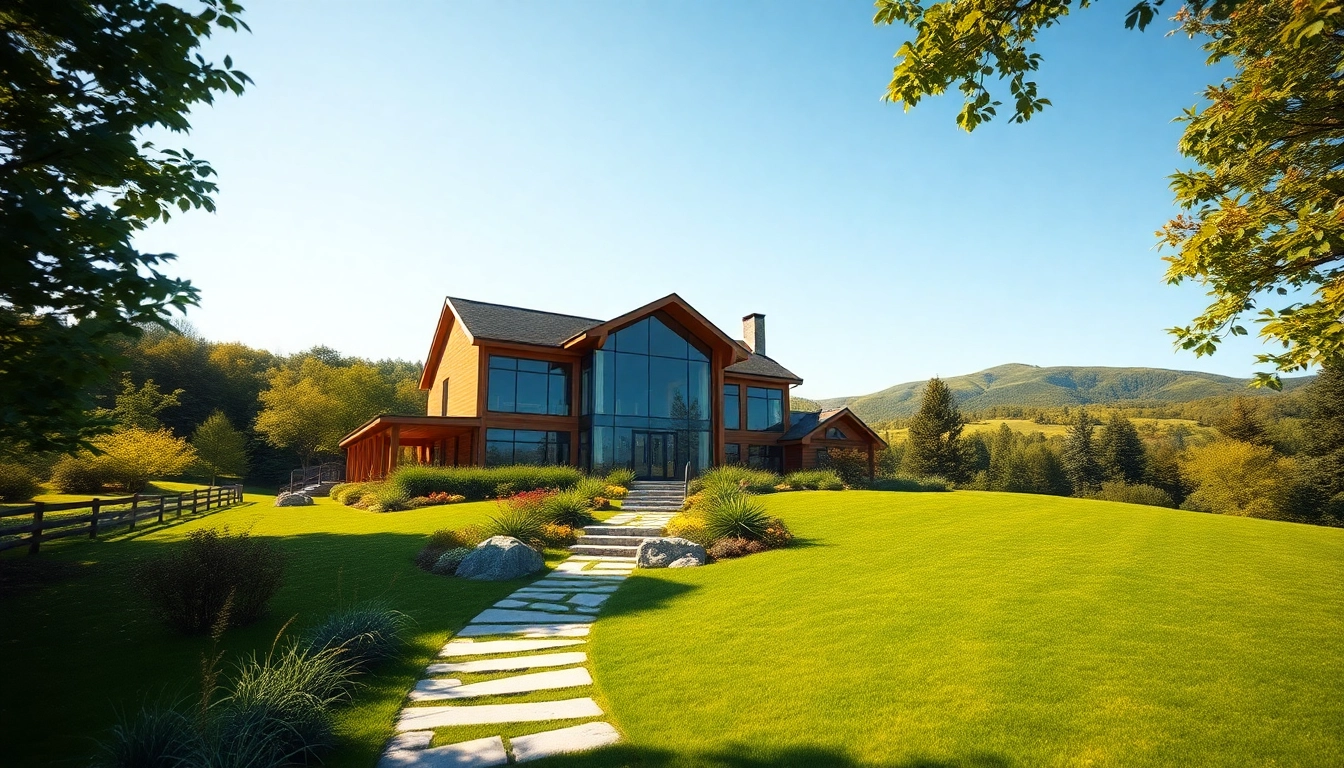
Many current residential designs aim to bridge the gap between traditional and modern architecture. This blend is often achieved through the incorporation of classic elements, such as decorative moldings or brick exteriors, alongside modern features like vast glass walls or sleek, minimalist landscaping. Such synergies offer homeowners a unique aesthetic that pays homage to the past while embracing forward-thinking design.
Case Studies of Iconic Local Designs
Examining iconic local designs can provide inspiration and context for understanding Massachusetts residential architecture. Homes like the Isaac Royal House, representing Georgian architecture, and the modern designs by Peter Rose exhibit how architectural language evolves over time. These case studies highlight the dialogue between cultural history and contemporary needs, demonstrating the variety in style and structure across the state.
Future Directions in Massachusetts Residential Architecture
Looking ahead, the future of Massachusetts residential architecture is bright, characterized by innovation, sustainability, and responsiveness to changing lifestyles. Architects are tasked with staying ahead of trends while integrating new technologies into their designs.
Innovative Technologies in Home Design
Innovative technologies such as Building Information Modeling (BIM) and 3D printing are redefining the design process. BIM facilitates a comprehensive approach to architectural design, enabling real-time alterations and collaboration among various stakeholders. Meanwhile, 3D printing offers unique fabrication possibilities that can revolutionize traditional building methods. As these technologies progress further, they will undoubtedly influence the look and feel of future homes.
Adapting to Changing Lifestyles
Today’s homeowners are looking for adaptable designs that can grow with their needs. This shift necessitates an emphasis on flexibility within home layouts. Features such as convertibility in rooms or spaces that can easily transition from private to communal emphasize a family’s desire for fluidity in the home environment. This ultimate adaptability will shape the designs of the future.
Community-Based Architecture Initiatives
Community involvement in architecture is gaining traction, as local voices add depth to design projects. Initiatives that focus on building community spaces or improving neighborhood aesthetics through public input create a sense of ownership and belonging among residents. This approach not only fosters a cohesive community but also ensures that designs are rooted in local culture and values.
Frequently Asked Questions About Massachusetts Residential Architecture
What is the typical style of Massachusetts residential architecture?
Massachusetts residential architecture typically features Colonial and contemporary styles, emphasizing historical elements while integrating modern design principles.
How can sustainability be incorporated into home design?
Sustainability in Massachusetts homes can be achieved through eco-friendly materials, energy-efficient appliances, and thoughtful landscaping that conserves resources.
What are key trends in residential architecture?
Current trends include open floor plans, smart home technology integration, and the use of natural materials that enhance energy efficiency and aesthetic appeal.
How can small spaces be effectively designed?
Effective small space design includes using multifunctional furniture, maximizing vertical space with storage solutions, and utilizing natural light to create a sense of openness.
What innovations are shaping the future of home design?
Innovations such as modular construction, smart home technologies, and adaptive reuse of materials are shaping the future of Massachusetts residential architecture.