
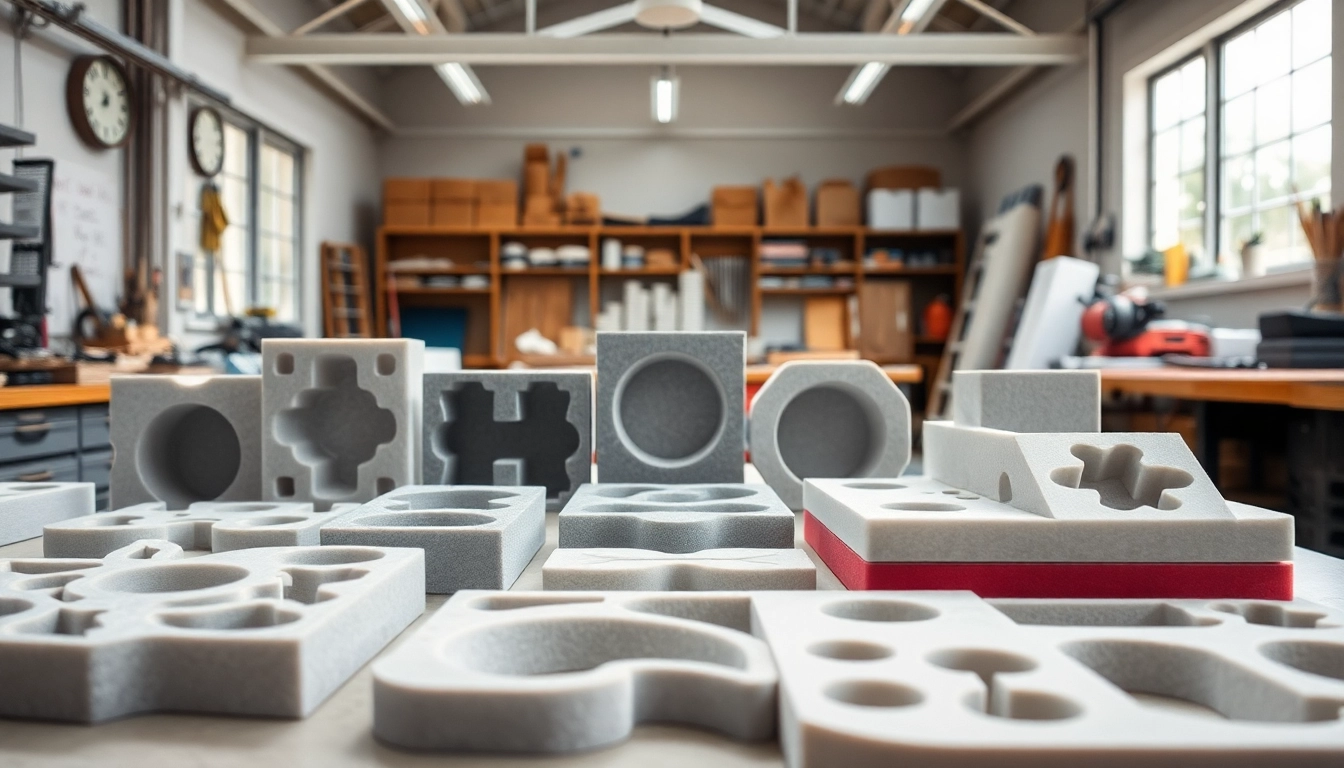
Understanding Custom Foam Inserts
When it comes to packaging and protecting various items, custom foam inserts have become a vital component. They provide a tailored solution that ensures the safety and integrity of products during transport and storage. By using Custom Foam Inserts, businesses and individuals can enhance organization while minimizing damage risks.
What are Custom Foam Inserts?
Custom foam inserts are precision-engineered components designed to cradle and protect specific items within shipping cases, storage containers, or general packaging. They can be made from various high-density foam materials that are cut to accommodate the dimensions of the items being protected. Unlike standard foam options, custom inserts are molded to the shape and size of the product, providing a secure fit that minimizes movement and potential damage.
Types and Materials of Custom Foam Inserts
Understanding the various types and materials available for custom foam inserts is crucial for selecting the right product for your needs. Typically, foam inserts can be categorized into the following types:
- Polyurethane Foam: Commonly used for lightweight items. It offers good cushioning and is relatively affordable.
- EVA Foam: Known for its durability and shock absorption capabilities, EVA foam is a popular choice for protecting more delicate items.
- PE Foam: Also known as polyethylene foam, this type is moisture-resistant and ideal for environments where exposure to water might be a concern.
- Memory Foam: Offers exceptional comfort and cushioning. It adapts to the shape of the items it supports, ensuring that there is less risk of impact damage.
- Anti-Static Foam: Specifically designed to protect electronic items, it prevents static electricity from damaging sensitive components.
Benefits of Using Custom Foam Inserts
The advantages of using custom foam inserts are extensive. First and foremost, they offer superior protection against drops, bumps, and other forms of impact damage. Additionally, custom foam inserts can enhance organization within storage and shipping containers, making it easier to locate items quickly. In short, the use of custom foam inserts streamlines handling and significantly reduces the risk of product damage during transport.
Moreover, businesses can benefit from improved customer satisfaction and reduced return rates due to enhanced packaging quality. Custom foam inserts also lend a professional touch to presentations and packaging, conveying a sense of care and attention to detail that can enhance brand reputation.
Choosing the Right Custom Foam Inserts for Your Needs
The journey toward optimal protection begins with understanding your unique requirements. Choosing the right custom foam inserts involves assessing several critical factors.
Assessing Your Item's Protection Needs
Not all items require the same level of protection. When selecting custom foam inserts, consider the fragility of your items and the environments in which they will be stored or transported. Fragile items like glassware or electronics typically require more cushioning compared to sturdier products. Evaluating these characteristics will help determine the appropriate type and thickness of foam needed for adequate protection.
Measuring Dimensions for Custom Foam Inserts
Accurate measurements are pivotal in creating effective custom foam inserts. Start by measuring the dimensions (length, width, and height) of the item that will be stored or transported. It is advisable to account for any protrusions or irregular shapes. For particularly delicate items, consider adding a slight buffer to ensure nothing is touching the edges directly.
Keep in mind that most manufacturers will need these details in precise decimal format to ensure a snug fit.
Common Applications for Custom Foam Inserts
Custom foam inserts are versatile and applicable in various settings. Some common applications include:
- Protective Packaging: Ideal for shipping electronics, medical equipment, or fragile items.
- Tool Organization: Used in toolboxes and cases for secure tool storage.
- Retail Displays: Foam inserts can enhance product presentation and protect items in stores.
- Military and Aviation: Often employed in cases for sensitive and heavy-duty equipment.
- Automotive Parts: Custom foam inserts can safeguard intricate components during shipping.
Designing Your Custom Foam Inserts
Creating effective custom foam inserts involves thoughtful design and planning. The design process should focus on maximizing both protection and organization.
Basic Design Principles for Foam Inserts
The essence of an effective foam insert design lies in creating a snug fit for the item being protected. Here are foundational principles for achieving that:
- Contour Design: Ensure outlines are made to precisely match the shape of the item.
- Layering: For items requiring varied levels of protection, consider utilizing different layers or foam densities.
- Accessibility: Make designs that allow for easy placement and retrieval of items.
- Ventilation: If necessary, design with some space to reduce moisture accumulation.
Tools and Software for Designing Foam Inserts
Modern technology has simplified the design process for custom foam inserts. Various software options enable precise design, including CAD programs, which allow users to create detailed templates. Some manufacturers even offer online tools that guide users through designing their custom foam inserts. Selecting the right tool depends on your comfort level and the complexity of your requirements.
Collaborating with Professionals for Best Results
While DIY options are available, collaborating with packaging professionals can yield optimal results. These experts bring experience to the table and can provide insights that enhance product design. They can also help in making critical decisions regarding material selection, design complexities, and manufacturing processes, leading to outcomes that meet specific protection standards.
Ordering and Installing Custom Foam Inserts
Once you’ve finalized your custom foam insert design, the next steps involve ordering and installation.
Where to Order Custom Foam Inserts
Numerous manufacturers and suppliers offer custom foam inserts. When selecting a vendor, consider factors such as pricing, lead time, and customer reviews. Look for companies that specialize in packaging solutions and have a reputation for high-quality products. Ensure also that they can accommodate your specific design needs and provide good customer support.
Steps for a Successful Order
To ensure a seamless ordering process, follow these steps:
- Define Your Specifications: Clearly outline your requirements, including materials, dimensions, and designs.
- Select a Manufacturer: Research and choose a supplier that meets your criteria.
- Request a Sample: If possible, request a prototype or sample to verify fit and quality.
- Place Your Order: Once satisfied with the sample, proceed with the order and make any necessary deposits.
- Confirm Lead Time: Clarify estimated delivery dates to plan for item storage and distribution.
Installation Tips for Custom Foam Inserts
Installing custom foam inserts is typically straightforward but may require some care to ensure proper placement:
- Clean the Area: Ensure the storage or shipping area is clean before placing the foam inserts.
- Test Fit: Place the items into the foam inserts to confirm a proper fit before finalizing placement.
- Secure the Case: If applicable, ensure that the case or container is securely closed after installing the foam inserts to protect the items.
- Store Safely: Keep the cases with custom inserts in a stable environment to prevent any unwanted movement or wear.
Maintenance and Care for Custom Foam Inserts
Taking care of your custom foam inserts extends their lifespan and ensures continued protection for your items.
Cleaning Your Custom Foam Inserts
Regular cleaning helps maintain the integrity of foam inserts. Most foam can be wiped clean using a damp cloth. For tougher stains, gentle soap can be used, but ensure that the foam is dried adequately to prevent mold growth.
Storage Tips for Foam Inserts
Store your foam inserts in a cool, dry area away from direct sunlight and moisture. Exposure to extreme temperatures or humidity can weaken the material over time, leading to a loss of cushioning properties.
When to Replace Your Custom Foam Inserts
Eventually, all foam inserts may require replacement. Signs include wearing, tearing, or loss of resilience. Assess their condition regularly, especially if used for valuable or sensitive items. When inserts no longer maintain their protective properties, it’s essential to replace them promptly.
Frequently Asked Questions (FAQs)
1. How do I measure for custom foam inserts?
Measure the length, width, and height of your item in precise decimal format. Include any irregularities in shape.
2. What materials are best for custom foam inserts?
Polyurethane, EVA, PE, and memory foam are popular materials, with choices depending on item fragility and required durability.
3. Can I design my custom foam insert?
Yes, various online tools and software are available for planning your designs, or you can collaborate with professionals.
4. How often should I replace my custom foam inserts?
Replace inserts whenever you notice visible wear, tearing, or loss of cushioning effectiveness, especially with valuable items.
5. Are custom foam inserts environmentally friendly?
This depends on the material used. Some manufacturers offer eco-friendly options made from recyclable materials, which are better for the environment.