
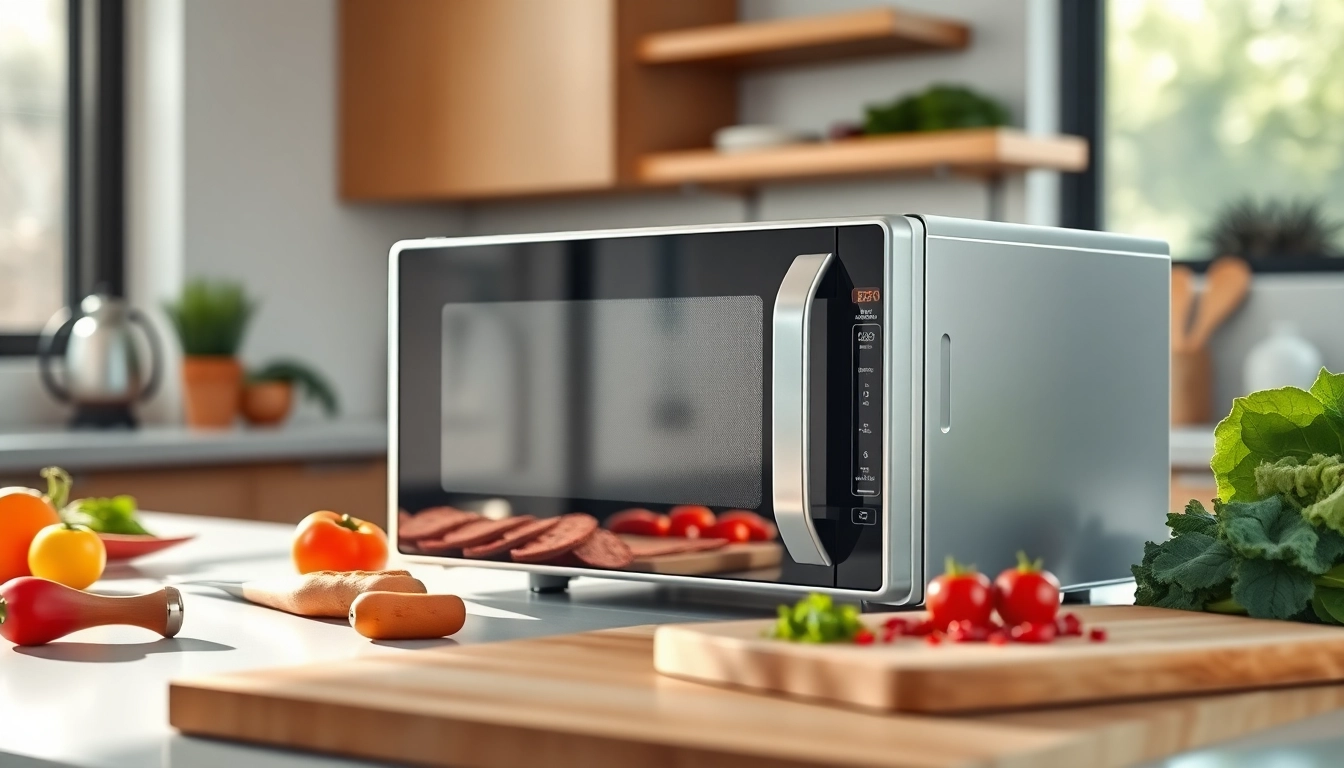
Understanding the Types of Microwave Oven
Choosing the right Microwave Oven can significantly influence your cooking experience. With various models available, knowing the differences between them is essential for making an informed decision. Below, we explore the primary types of microwave ovens commonly found in kitchens today.
Countertop Microwave Oven
The countertop microwave is the most common type and is typically portable, making it easy to move around or store away. Available in various sizes and wattages, these models can fit into most kitchen layouts. They are usually less expensive than built-in models and offer straightforward operation. Countertop microwaves are perfect for reheating leftovers, defrosting frozen foods, and can even be used for cooking simple meals. Some advanced models come with features like inverter technology, which provides consistent heat and even cooking.
Built-in Microwave Oven
Built-in microwave ovens are designed to be integrated into kitchen cabinetry, offering a sleek, modern look. They can be installed at eye level for convenient access, which is especially useful for larger families or those with mobility issues. Built-in units often have advanced features such as convection cooking, which allows for browning and crisping foods just like a traditional oven. While these models usually come at a higher price point, they maximize kitchen space and enhance the overall aesthetic of your kitchen.
Over-the-Range Microwave Oven
An over-the-range microwave oven serves a dual purpose, acting as both a microwave and a range hood. Installed above the cooking surface, they free up counter space while providing ventilation for kitchen smoke and odors. These models often feature sensors that automatically adjust cooking times and power levels for optimal results. With various designs available, they can fit seamlessly into a kitchen’s style. As they replace a traditional ventilation hood, over-the-range microwaves are an excellent choice for compact kitchens.
Top Features to Look For in a Microwave Oven
Understanding the key features of a microwave oven is essential for selecting the one that meets your cooking needs. The right combination of features can enhance your cooking experience and safety. Below, we delve into the critical aspects to consider while making your purchase.
Wattage and Cooking Power
The wattage of a microwave oven directly affects its cooking power and efficiency. Most countertop models range from 600 to 1200 watts. Higher wattage generally means quicker cooking time; however, it is crucial to select a unit that aligns with your cooking habits. For instance, if you frequently prepare frozen meals or need to cook complex dishes, opting for a higher wattage model is advisable. Conversely, if your primary use is reheating simple items, a lower wattage microwave might suffice.
Size and Capacity
Size is another crucial factor when selecting a microwave oven. The physical dimensions of the unit should fit your kitchen layout, while its capacity must suit your family's needs. Standard sizes range from 0.5 cubic feet to over 2.0 cubic feet. Take into account the size of dishes you typically use—for instance, if you often cook larger meals, a larger capacity microwave may be necessary to accommodate your cooking needs comfortably.
Control Panels and Smart Features
Modern microwave ovens come equipped with a variety of control panels and smart features that enhance usability. Look for models with intuitive digital controls, which provide preset cooking options for common foods like popcorn or pizza. Some advanced microwaves now offer smart features, enabling you to control them via smartphone apps. These features can be a game-changer for busy individuals, allowing you to start cooking or check on your meal remotely.
Cooking Techniques with a Microwave Oven
A microwave oven is not just a reheating appliance; it can be used for various cooking techniques that can enhance your culinary options. Understanding these techniques ensures you are making the most of your appliance. Below are some fundamental cooking techniques that can be employed using a microwave.
Defrosting and Reheating
One of the primary uses of a microwave oven is defrosting and reheating. Most units come with a defrost setting that evenly thaws meat and other frozen foods without partially cooking them. To efficiently reheat leftovers, you can use the “reheat” function, which is designed to warm foods evenly. It's essential to check the food frequently during this process to avoid overheating and maintain the best flavor and texture.
Cooking and Baking
Many believe a microwave is only for reheating, but it can also be an excellent tool for cooking and baking. You can quickly prepare dishes such as scrambled eggs, steamed vegetables, and even microwave cakes. Cooking times are significantly reduced compared to traditional ovens, allowing for rapid meal preparation. For baking, consider models that come with convection features for even better results.
Steaming and Grilling
Some microwave ovens are equipped with steam cooking and grilling features, providing additional versatility. Steaming can retain nutrients in vegetables, making for healthier meals. On the other hand, the grilling function can give meat a delicious char and crispy texture. Pairing both methods can result in flavorful dishes that can be prepared much faster than conventional cooking methods.
Maintenance Tips for Your Microwave Oven
Maintaining your microwave oven is critical to ensuring its longevity and optimal performance. Regular maintenance can prevent buildup and unnecessary repairs. Below are some essential maintenance tips to keep your microwave in top condition.
Cleaning Tips and Best Practices
To keep your microwave oven clean, regularly wipe down the interior and exterior surfaces with a damp cloth. For tougher stains and odors, a mixture of water and vinegar can work wonders. Place a bowl of this mixture in the microwave and run it for several minutes, allowing steam to loosen grime. Afterward, simply wipe down the surfaces. Always avoid abrasive cleaners that can scratch the interior.
Extending the Lifespan of Your Microwave Oven
To extend the lifespan of your microwave oven, ensure it is used correctly and not overloaded. Avoid running the microwave when empty, as this can damage the interior. Additionally, keep the vents clear of obstacles; proper airflow helps prevent overheating. Regularly check for any unusual noises, which may indicate wear or mechanical issues, and address them promptly.
Common Issues and Solutions
Common issues with microwave ovens include failure to heat, malfunctioning buttons, and the presence of unusual noises. If the microwave fails to heat food, the issue may be with the magnetron or high-voltage diode. If buttons are unresponsive, ensuring the microwave is plugged in and the control board is functioning might resolve this. Always consult the user manual for troubleshooting specific issues or consider professional repair services for complex problems.
FAQs About Microwave Oven
What size microwave oven do I need?
The size of microwave oven you need depends on your kitchen space and cooking requirements. For small kitchens, a compact model may suffice, while larger families might benefit from a 1.5 to 2.0 cubic feet unit.
How do I clean my microwave oven?
To clean your microwave, use a mixture of water and vinegar. Heat it in a bowl for a few minutes to create steam, which helps loosen grime. Wipe the interior with a cloth afterward.
Can I microwave metal containers?
No, you should avoid using metal containers in a microwave oven. They can cause arcing and may damage the microwave or create hazards.
What are the advantages of a built-in microwave oven?
Built-in microwaves save counter space, provide easy access, and enhance kitchen aesthetics. They often come with advanced features like convection cooking for multifunctionality.
How energy-efficient is a microwave oven?
Microwave ovens are generally more energy-efficient than traditional ovens, consuming less power due to shorter cooking times. They use only the energy required for cooking or reheating.