
 By admin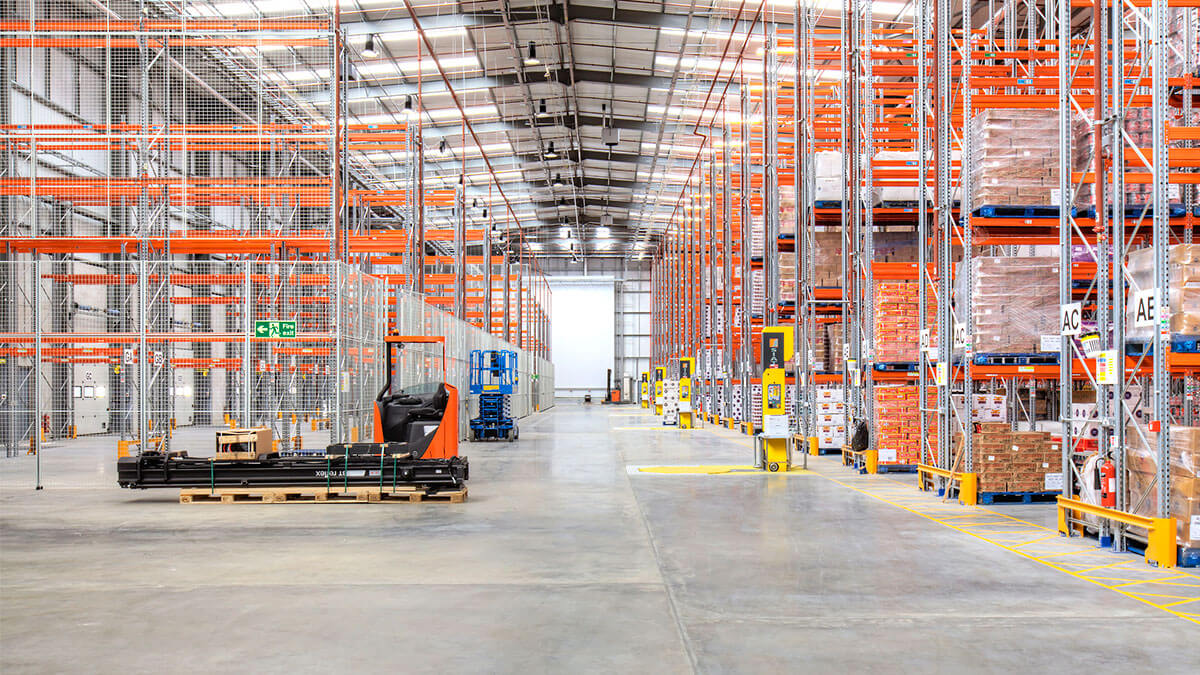
1. Introduction to Warehouse Concepts
In an increasingly globalized economy, the role of a warehouse has never been more critical. Warehouses are essential facilities that manage inventory and distribution, acting as vital nodes in the supply chain. They serve various industries, from manufacturing to retail, and their design and management directly influence operational efficiency and customer satisfaction. Understanding what a warehouse is and its importance in today’s economic landscape is crucial for businesses looking to optimize their logistics and supply chain processes.
1.1 What is a Warehouse?
A warehouse is a substantial structure dedicated to the storage of goods and materials. Typically, warehouses are equipped with storage racks, handling equipment, and space for processing inventory. They are utilized by various entities, including manufacturers, wholesalers, retailers, and logistics companies. The primary function of a warehouse is to ensure that products are stored efficiently and accessed easily when needed, minimizing downtime and maximizing profitability.
1.2 Importance of Warehousing in Supply Chain
Warehouse operations play a pivotal role in the overall supply chain management process. They provide critical benefits, such as:
- Inventory Management: Warehouses offer systematic storage solutions, allowing for organized inventory tracking which leads to reduced waste and better resource management.
- Cost Reduction: By centrally storing goods, businesses can achieve economies of scale, lowering transportation costs and minimizing the need for multiple stocking points.
- Flexibility: Warehouses enable companies to react quickly to market changes, allowing excess inventory to be stored during slow periods and distributed as demand increases.
1.3 Types of Warehouses Explained
Understanding the various types of warehouses can help businesses choose the right one based on their specific needs. Here are the most common types:
- Traditional Warehouses: These are typically used for long-term storage of goods and are designed for bulk storage.
- Distribution Centers: Used for the rapid throughput of goods, these centers are designed to distribute goods to various retail locations or directly to consumers.
- Climate-Controlled Warehouses: Essential for storing temperature-sensitive products, these warehouses are designed to maintain specific temperature ranges.
- Cold Storage Warehouses: Specifically designed for food and perishable items, these facilities operate below freezing temperatures.
- Automated Warehouses: Utilizing robotics and automated systems, these warehouses optimize storage and retrieval processes, often leading to significant efficiency gains.
2. Key Components of Warehouse Management
2.1 Storage Systems and Layout Optimization
The design and layout of a warehouse significantly affect its operation’s efficiency. Factors to consider include:
- Storage Solutions: Selecting the right storage systems (e.g., pallet racking, shelving, etc.) based on product type and turnover rate helps maximize available space.
- Flow Optimization: Implementing an efficient flow of goods from receiving to shipping minimizes handling time and reduces the risk of errors.
- Adaptability: A flexible layout that can accommodate changing inventory needs helps a warehouse remain operationally agile.
2.2 Inventory Management Practices
Effective inventory management is essential to ensuring that stock levels are maintained and that returns on investment are optimized. Key practices include:
- Just-In-Time (JIT) Inventory: This strategy involves keeping inventory levels low and receiving goods as they are needed, reducing storage costs.
- Regular Audits: Frequent inventory audits help maintain accurate records and ensure that the physical stock matches the inventory system.
- ABC Analysis: Classifying inventory into groups (A, B, and C) based on value and turnover helps prioritize management efforts.
2.3 Technology in Warehouse Operations
The continuous evolution of technology has transformed how warehouses operate, leading to improved efficiency and accuracy. Significant advancements include:
- Warehouse Management Systems (WMS): These software solutions help manage inventory, streamline operations, and facilitate communication across teams.
- RFID Tagging: Radio-frequency identification technology allows for real-time tracking of assets, improving accuracy in inventory management.
- Automation and Robotics: Automated systems reduce manual labor, increasing efficiency and decreasing human error during the storage and retrieval of goods.
3. Challenges in Warehouse Operations
3.1 Common Problems Faced by Warehouse Managers
Warehouse management is not without its challenges, which may include:
- Labor Shortages: A growing labor shortage in warehouse operations may lead to issues with staffing levels and increased operational stress.
- Inventory Discrepancies: Errors in tracking inventory can lead to excess stock or stockouts, which negatively impact operations.
- Accidents and Safety Concerns: Warehouses can be hazardous environments, and safety concerns such as worker injuries cannot be overlooked.
3.2 Solutions for Improving Warehouse Efficiency
Addressing challenges in warehouse operations requires strategic solutions:
- Invest in Employee Training: Ensuring that workers are well-trained in safety practices and warehouse operations can help mitigate risks and enhance efficiency.
- Utilize Lean Principles: Streamlining processes and reducing waste through lean management can improve productivity in warehouse operations.
- Regular Maintenance: Maintaining equipment and infrastructure can help prevent breakdowns and keep operations running smoothly.
3.3 Safety Regulations and Best Practices
Maintaining safety in a warehouse is vital for the well-being of employees and the efficiency of operations. Best practices include:
- Regular Safety Training: Continuous training and refreshers on safety protocols can prepare staff for emergencies.
- Proper Signage and Safety Gear: Ensuring appropriate signage is displayed and that all employees wear necessary personal protective equipment helps avoid accidents.
- Emergency Preparedness Plans: Developing and communicating clear emergency procedures prepares staff for various scenarios, including fires, spills, or natural disasters.
4. The Future of Warehousing
4.1 Trends Influencing Warehouse Design
As we look to the future, several trends are shaping warehouse design and operations:
- Omnichannel Fulfillment: With the rise of e-commerce, warehouses must adapt to accommodate various fulfillment channels, from retail to direct-to-consumer shipping.
- Adaptation to Urban Logistics: The trend towards urbanization necessitates smaller “last mile” warehouses closer to consumers, improving delivery times and reducing transportation costs.
- Green Warehousing: As sustainability becomes increasingly important, warehouses are incorporating eco-friendly designs, from energy-efficient lighting to the use of renewable materials.
4.2 Automation and Robotics in Warehousing
The incorporation of automation and robotics is revolutionizing warehouse operations. These technologies provide numerous benefits:
- Increased Efficiency: Automated systems can perform tasks faster and with greater accuracy than human workers, reducing operational costs.
- Improved Safety: Automating hazardous tasks reduces the risk of worker injuries and accidents in warehouse environments.
- Enhanced Scalability: Automated systems can be scaled easily to meet rising demand, allowing businesses to adjust to market fluctuations without significant restructuring.
4.3 Sustainability Practices in Warehousing
As environmental consciousness grows, sustainable practices in warehousing are becoming essential. Key implementations include:
- Renewable Energy Usage: Many new warehouses are being developed with solar panels and other renewable energy solutions to minimize carbon footprints.
- Waste Reduction: Implementing recycling programs and waste management strategies helps decrease landfill contributions.
- Energy-Efficient Design: Designing facilities for energy efficiency, utilizing natural lighting, and optimizing operations contribute significantly to sustainability goals.
5. Conclusion and Best Practices for Effective Warehousing
5.1 Summary of Key Takeaways
In conclusion, effective warehouse management is integral to a successful supply chain. Understanding the importance of warehouse operations allows businesses to maximize efficiency, reduce costs, and improve customer satisfaction. Utilizing the latest technologies, adopting safety measures, and embracing sustainability practices will promote improved performance in warehousing.
5.2 Implementing Change for Better Warehouse Performance
Implementing changes to enhance warehouse performance requires strategic planning:
- Conduct a Needs Assessment: Understand the specific needs of the business and how the warehouse can be optimized to meet those needs.
- Engage Employees: Involve staff in the decision-making process; their insights can provide valuable perspectives on practical challenges faced daily.
- Monitor Performance: Establish key performance indicators (KPIs) to measure improvements and adjust strategies as needed.
5.3 Resources for Continued Learning about Warehousing
To stay updated on trends and best practices in warehouse management, consider seeking out professional resources:
- Industry Conferences: Participating in conferences will help connect with others in the field and share innovative ideas.
- Online Courses: Various online platforms offer courses on logistics and warehouse management tailored to different experience levels.
- Professional Organizations: Joining organizations related to supply chain and warehousing can provide networking opportunities and access to industry publications.