

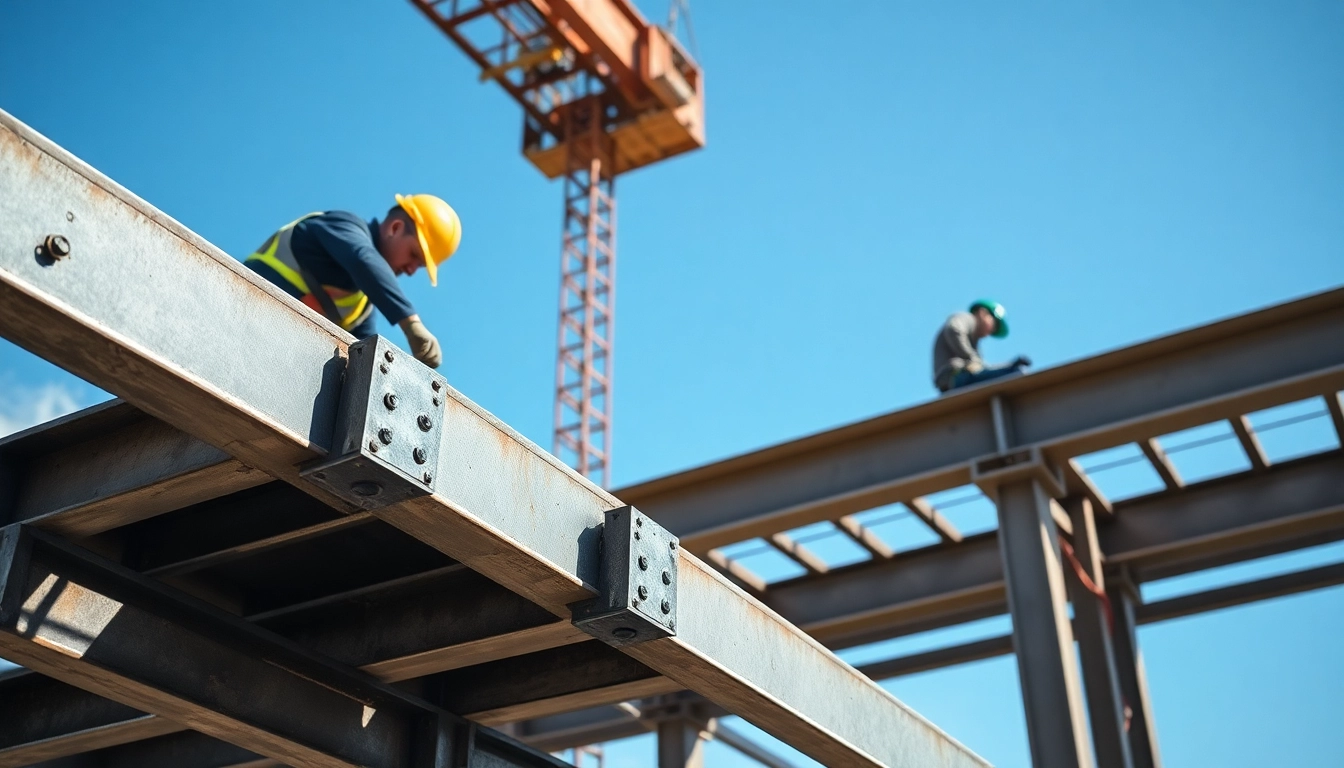
Introduction to Structural Steel Installation
In the ever-evolving landscape of construction, structural steel installation stands as a cornerstone practice enabling the erection of robust and enduring structures. From towering skyscrapers to expansive industrial complexes, understanding the nuances of steel installation not only shapes the safety and durability of these edifices but also streamlines the entire construction process. In this article, we will delve deep into what structural steel installation entails, its significance, challenges faced during installation, and best practices that can lead to successful project outcomes.
What is Structural Steel Installation?
Structural steel installation refers to the meticulous process of assembling steel framework necessary for construction projects. This process entails the integration of various steel elements—such as beams, columns, and bracing systems—into a stable structure. Additionally, it involves the application of connection techniques including welding and bolting to ensure that the steel framework can withstand the loads and forces it will encounter throughout its lifespan.
Importance of Proper Structural Steel Installation
The significance of proper installation cannot be overstated. Structural steel serves as the framework that supports a building’s weight, controls deformation, and ensures overall stability. A poorly executed installation can lead to catastrophic failures, increased costs, and extended construction timelines. Furthermore, adherence to building codes, safety regulations, and industry standards during installation is crucial, as it contributes to the safety and resilience of the structure in adverse conditions.
Common Challenges in Structural Steel Installation
Installing structural steel comes with its own set of challenges that can affect project timelines and budgets. Among these challenges are:
- Site Conditions: Variations in ground conditions, weather impacts, and accessibility can complicate installation processes.
- Coordination Among Trades: Effective communication and synergy among different trades involved in the construction project are vital for seamless installation.
- Logistical Issues: The delivery and placement of heavy steel components require meticulous planning to avoid project delays.
- Safety Concerns: Working at height and dealing with heavy materials demands strict adherence to safety protocols to protect workers from accidents.
Key Components of Structural Steel Installation
Steel Beams and Columns: The Foundation of Strength
Steel beams and columns act as the primary load-bearing elements in a structure. Beams are horizontal supports, typically spanning distances and carrying loads between columns, while columns are vertical components that support the beams and the weight of the structure above. Understanding the right specifications, including size and material type, is fundamental to ensure they can handle the anticipated loads.
Connecting Elements: Bolts, Welds, and More
The connections between steel members are critical to the overall integrity of the structure. Among the most common connection methods are:
- Bolting: High-strength bolts are often used in connection joints for their ease of installation and retrofitting capabilities.
- Welding: For permanent joints, welding provides a strong fusion of metal parts, although it requires skilled labor to ensure quality.
- Bracing Elements: These imparts stiffness to the structure, preventing lateral movement and improving overall stability.
Safety Equipment and Compliance in Structural Steel Installation
Safety measures in structural steel installation include using appropriate personal protective equipment (PPE), such as hard hats, harnesses, and steel-toed boots, to mitigate risks associated with the operation. Additionally, compliance with Occupational Safety and Health Administration (OSHA) regulations ensures that all safety standards are upheld to protect workers during installation activities.
Best Practices for Efficient Structural Steel Installation
Planning and Preparation for Structural Steel Installation
Effective planning is the backbone of successful structural steel installation. Steps include detailed review and validation of blueprints, pre-fabrication of components, and timely scheduling of deliveries. Furthermore, conducting a thorough risk assessment and establishing a contingency plan are essential in navigating potential pitfalls during the actual installation phase.
Utilizing Technology and Tools for Precision
The integration of advanced technology and tools can significantly enhance the quality and precision of structural steel installation. Some pivotal technologies include:
- Building Information Modeling (BIM): Utilizing BIM software allows for accurate visualizations and planning, ensuring that discrepancies are identified before physical work begins.
- Laser Scanning: Laser technology enables precise measurements of existing conditions, ensuring that new installations align perfectly with old frameworks.
- Robotics and Automation: The use of automated systems for welding and bolting can increase speed and reduce human error in repetitive tasks.
Quality Control Measures During Installation
To maintain a high standard during installation, implementing stringent quality control checks is vital. Regular inspections should be performed at key installation phases to verify alignment, weld integrity, and bolt tensioning. Developing a checklist for quality standards can streamline this process and facilitate quicker resolutions to any identified issues.
Case Studies: Successful Structural Steel Installation Projects
Residential Projects and Their Unique Challenges
Residential projects often present unique challenges, including limited space and the need to integrate with existing structures. A case study of a multi-family residential building reveals that employing pre-fabricated panels accelerated the installation, minimized on-site work, and reduced waste. Coordination was key to ensure that deliveries aligned with construction phases to avoid delays.
Commercial Projects: Scaling Up for Safety and Efficiency
Commercial projects, such as office complexes, demand a heightened level of safety and efficiency due to larger scale operations and potential hazards. A notable example is a downtown office building where a phased approach to steel installation was employed; each section was completed before moving to the next. This method allowed the project team to address safety concerns methodically and ensured that quality control measures were effective.
Lessons Learned from Failed Installations
Studying unsuccessful installations provides invaluable insights. One notable example involved a commercial structure where poor communication among trades led to misaligned steel frameworks. The resulting delays not only increased costs but also necessitated extensive rework. Implementing thorough pre-installation briefings that involve all trades can prevent similar pitfalls in future projects.
Future Trends in Structural Steel Installation
Innovations in Materials and Techniques
The future of structural steel installation is poised for transformative advancements. Innovations such as high-strength and lightweight steel alloys are creating opportunities for more efficient designs and lighter frameworks without compromising strength. Incorporating these materials can both reduce project costs and minimize environmental impact.
Sustainability and Environmental Impact Considerations
As sustainability becomes a central theme in construction, integrating eco-friendly practices in structural steel installation is imperative. This includes adopting techniques that reduce waste, improving energy efficiency, and utilizing recycled steel. By proactively considering the environmental impact of steel production and installation processes, the construction industry can significantly reduce its carbon footprint.
The Role of Automation in Structural Steel Installation
The increasing incorporation of automation in structural steel installation promises to streamline processes, reduce labor costs, and enhance precision. Automated machinery for repetitive tasks, robotic systems for steel placement, and advanced software for project management are just a few examples of how technology is set to redefine the landscape of structural steel installation.