
 By admin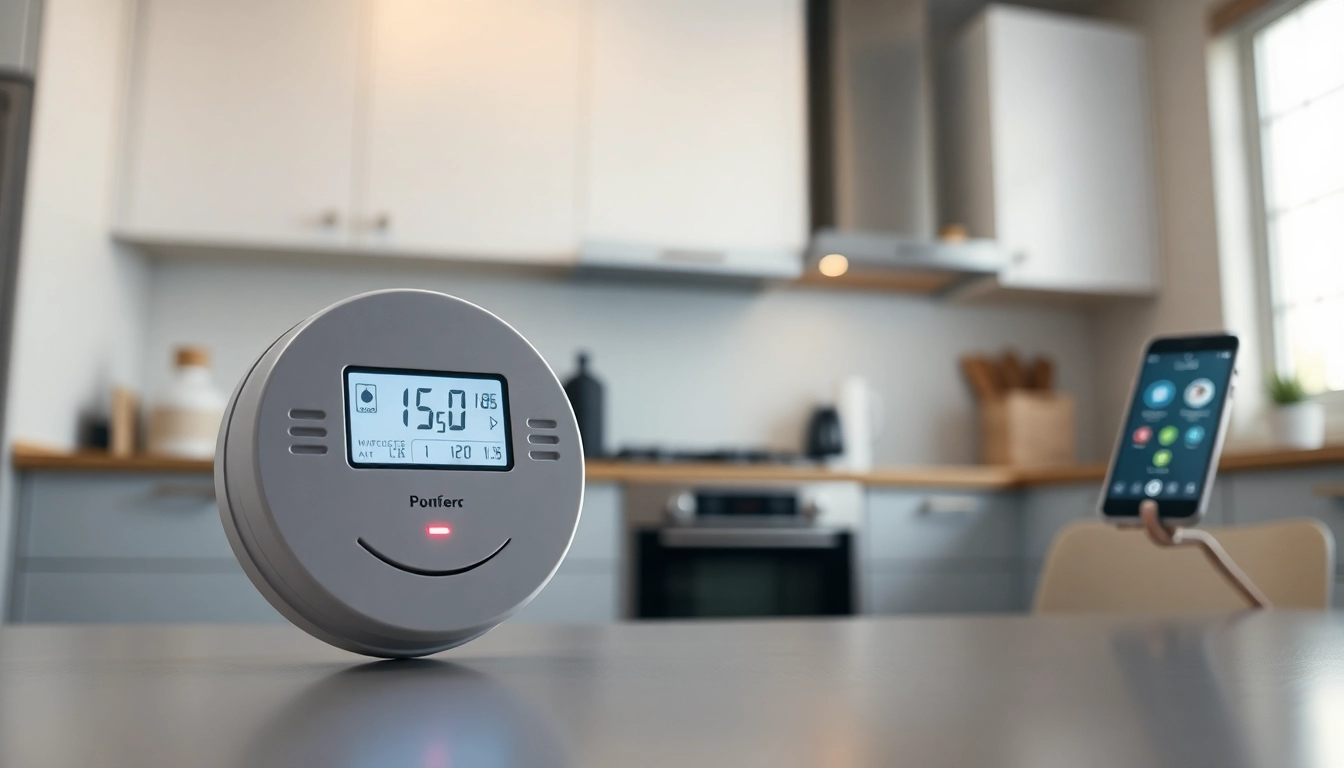
Introduction to Carbon Monoxide Detectors
Carbon monoxide (CO) is a colorless, odorless gas that can be incredibly dangerous, as it poses significant health risks in residential and commercial settings. Often referred to as the “silent killer” due to its undetectable nature without the proper equipment, understanding the nuances of carbon monoxide detector beeping is crucial for safety. In this article, we will explore the importance of carbon monoxide detection, the operational principles of detectors, and the various reasons why a detector might beep, ensuring you have all the necessary knowledge for proactive safety measures in your home.
What is Carbon Monoxide?
Carbon monoxide is a byproduct of combustion processes. When fuels such as gasoline, natural gas, propane, coal, or wood are burned, they produce CO as part of the exhaust. Due to its high affinity for hemoglobin, CO can bind more easily to blood cells than oxygen, leading to oxygen deprivation when inhaled. Symptoms of CO poisoning can range from mild headaches and dizziness to severe confusion and loss of consciousness. It’s vital to understand that any household appliance with a combustion engine—like stoves, furnaces, and water heaters—can produce carbon monoxide, necessitating the need for reliable detection systems.
Importance of Detection in Homes
The importance of detecting carbon monoxide in homes cannot be overstated. The U.S. Centers for Disease Control and Prevention (CDC) estimates that approximately 400 people die from unintentional CO poisoning each year in the United States alone, with many more requiring emergency medical treatment. Early detection through properly installed CO detectors is essential in preventing these tragic outcomes. Moreover, many local laws and regulations mandate that homes be equipped with functioning carbon monoxide detectors, especially those that use fossil fuels for heating or cooking. Therefore, raising awareness about the necessity of CO detectors is not just a matter of personal safety but also of legal compliance.
How Carbon Monoxide Detectors Work
Carbon monoxide detectors operate by using one of several types of sensor technologies, including electrochemical, biomimetic, and metal oxide semiconductor sensors. Each of these technologies works by detecting the presence of carbon monoxide in the air as follows:
- Electrochemical Sensors: These sensors contain electrodes that respond to CO presence, generating an electrical current that is proportional to the concentration of carbon monoxide.
- Biomimetic Sensors: Inspired by biological systems, these sensors contain a chemical compound that changes color when exposed to carbon monoxide, making it visually detectable.
- Metal Oxide Semiconductor Sensors: These sensors detect gas through resistance changes when carbon monoxide adheres to their surface, thus providing an analog output proportional to the concentration of CO.
Regardless of the technology used, all carbon monoxide detectors share the same ultimate goal: to alert individuals in close proximity before CO levels reach dangerous concentrations.
Reasons for Carbon Monoxide Detector Beeping
It’s important to understand the causes of a carbon monoxide detector beeping, as it serves as a crucial warning system. Depending on the sound patterns and duration of the beeping, the nature of the alert can vary significantly. We will cover the most common beeping signals and their implications to help distinguish between harmless alerts and serious threats.
Low Battery Alerts and Maintenance Messages
A frequent cause of beeping in carbon monoxide detectors is a low battery alert. This occurs when the power source is insufficient to allow the device to function properly. Most detectors will emit intermittent chirping sounds to notify residents that the battery should be replaced. Following these alerts is crucial because a malfunctioning detector may lead to an inability to adequately detect carbon monoxide, putting lives at risk. Regular inspection and maintenance of your detector should include battery replacement when alerts occur and at least once a year, to ensure reliability and functionality.
Detection of Carbon Monoxide Gas Levels
Another critical reason for a detector to beep is the detection of elevated carbon monoxide levels in the environment. Continuous, rapid beeping usually indicates that the detector has sensed carbon monoxide concentration above the threshold, potentially signaling a dangerous situation. In such cases, it is essential to take immediate action—leaving the building and calling emergency services, as prolonged exposure to CO can lead to severe health effects. If the beeping persists without explanations or if multiple detectors are sounding, it indicates an urgent need for evacuation and professional assistance.
Malfunction Indicators and What They Signal
Occasionally, a carbon monoxide detector may beep due to a malfunction, whether from internal electrical problems, sensor issues, or external factors like environmental disturbances. Continuous beeping or alarm states without the presence of gas should prompt users to check the manufacturer’s guidelines and perform troubleshooting, such as resetting the device or checking for dust accumulation on sensors. If the alert continues after troubleshooting, replacing the detector may be necessary. It’s prudent to remember that most detectors have a finite lifespan of approximately five to seven years, after which replacement is required to ensure safety.
Responding to Carbon Monoxide Detector Alerts
Understanding how to respond to carbon monoxide detector alerts is just as vital as knowing why they beep. The presence of an alert creates a clear need for immediate and decisive action to protect health and safety. Below are structured steps for various alert situations.
Immediate Actions to Take During an Alert
Upon receiving a signal from the carbon monoxide detector, whether it’s a chirp indicating low battery or a persistent beep indicating dangerous CO levels, specific actions should be taken:
- Remain Calm: Avoid panic; carefully assess the situation.
- Confirm Symptoms: Be aware of any visible CO poisoning symptoms in family members, such as headaches, dizziness, or nausea.
- Evacuate: If the detector signals high carbon monoxide levels, promptly leave the building and move to an area with fresh air.
- Call Emergency Services: Once safely outside, contact local authorities or emergency services to report the incident.
Taking these steps can mean the difference between a safe resolution and a potential tragedy. Properly following procedural guidance is vital in maintaining safety.
When to Evacuate and Seek Help
If your detector emits loud, persistent beeps, it’s time to take swift action and evacuate. Even if no immediate symptoms arise, never underestimate the risks associated with carbon monoxide exposure. Individuals should evacuate immediately when exposed to CO detectors sounding continuous alerts and should seek medical help even for minimal symptoms. It is crucial to communicate the situation to emergency responders, providing them with precise information so they can respond effectively.
Resetting Your Detector: Steps to Follow
Resetting your carbon monoxide detector is an important step after addressing the cause of an alert, as it allows the device to check for residual CO levels and confirm safety before re-entering the property. Follow these general steps to reset your CO detector:
- Turn Off the Device: Remove the detector from its mounting bracket and turn it off using the power switch or by removing the battery.
- Wait for 15 Seconds: This allows the internal sensors to fully reset.
- Reinstall or Replace Batteries: If applicable, install fresh, high-quality batteries before switching the unit back on.
- Re-mount the Detector: Securely mount the detector on the wall or ceiling in its designated area.
- Test the Device: Most detectors have a test button; ensure the alarm sounds before returning to normal activities.
These reset procedures will enable the detector to function effectively, allowing residential safety to resume.
Best Practices for Carbon Monoxide Safety
Preventative measures and diligent maintenance can significantly enhance safety regarding carbon monoxide risks. Implementing the following best practices will further mitigate risks linked to CO emissions and ensure family well-being.
Regular Maintenance and Testing
Regular maintenance is critical to guaranteeing that carbon monoxide detectors remain functional. Homeowners should establish a schedule for testing each device at least once a month and perform routine checks for any signs of wear and tear. Following these maintenance tips can help ensure the efficacy of your detectors:
- Change the batteries annually or as needed, minimizing the risk of low battery alerts.
- Dust and clean the detector’s surface and intake vents, preventing sensor obstruction.
- Replace detectors every five to seven years, depending on the manufacturer’s guidelines.
Regular testing and maintenance practices not only bolster safety but also foster peace of mind.
Ideal Placement of Detectors in Your Home
Placement of CO detectors is equally important as the quality of the devices themselves. Follow these proven guidelines for optimal detector installation:
- Place detectors on every level of your home, especially near sleeping areas where family members spend significant time.
- Install at least 15 to 20 feet from combustion appliances like stoves and heating systems to avoid false alarms.
- Mount detectors on walls or ceilings as specified in the user manual, ensuring that they are not obstructed by furniture and are accessible.
Targeted placement of detectors can significantly enhance reliability and responsiveness to potential threats.
Understanding Your Device’s Lifespan
Understanding the lifespan of your carbon monoxide detector is essential for consistent home safety. Most residential detectors last between five to seven years, depending on the device type and manufacturer specifications. Beyond this period, the sensors may degrade, rendering the unit ineffective. To keep track of the lifespan, homeowners should:
- Check purchase dates when installing new detectors, retaining receipts and tracking maintenance schedules.
- Mark expiration dates on each detector, reminding yourself to replace them when necessary.
Adhering to these practices will ensure that detection equipment provides effective monitoring throughout its intended lifespan.
Advanced Tips for Home Safety
Beyond compliance and regular testing, homeowners can implement advanced strategies for maximizing CO safety in their residences. The following tips explore innovative solutions and considerations to enhance monitoring networks.
Integrating Technology in Safety Monitoring
Embracing technological advancements can significantly improve home safety. Smart carbon monoxide detectors enable connections to smart home systems, providing real-time data to mobile devices. Users can receive immediate notifications of alerts, perform remote testing, and access monitoring history, improving response strategies. Smart detectors often come equipped with additional features such as voice alerts, making them more intuitive and user-friendly. Furthermore, residents can consider devices that integrate with health monitoring systems, allowing for a holistic approach to safety.
Benefits of Professional Inspections and Services
Although proactive measures can be effective, engaging with certified professionals for inspections remains a crucial element. Licensed inspectors can evaluate heating systems, check for potential gas leaks, and ensure that installations comply with safety regulations. Experts provide recommendations for detector placements, maintenance schedules, and identify any other hidden risks in homes. Utilizing their expertise significantly enhances the overall safety framework within residential environments.
Educating Family Members on Safety Protocols
Education is equally essential in maintaining a safety-conscious household where each member understands the risks associated with carbon monoxide exposure. Family safety discussions can include:
- Teaching all household members how to recognize the signs of carbon monoxide poisoning.
- Instructing family members on the importance of not ignoring alerts and what actions they should take when the detectors go off.
- Regularly reviewing safety protocols, including evacuation routes and the importance of fresh air during an emergency.
Regular educational sessions demystify detection alerts and empower each household member to respond effectively in emergencies.