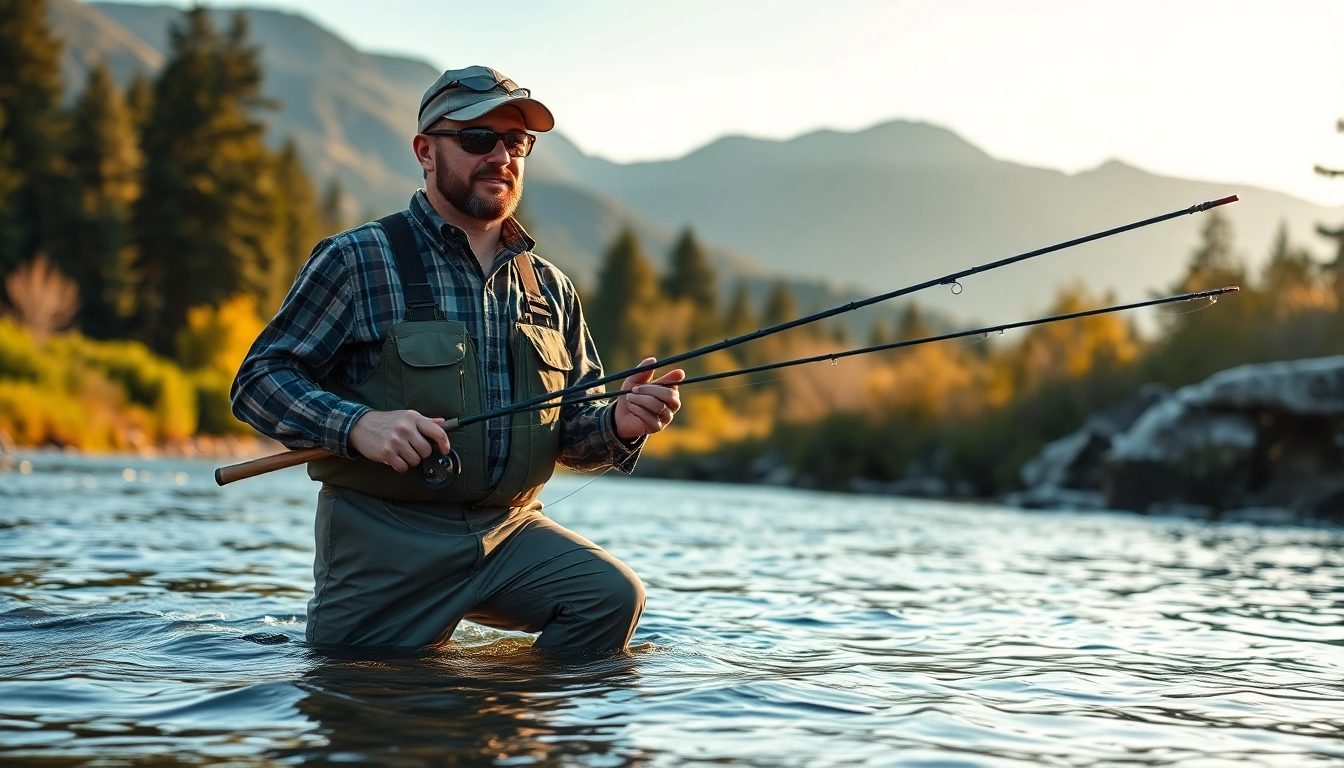
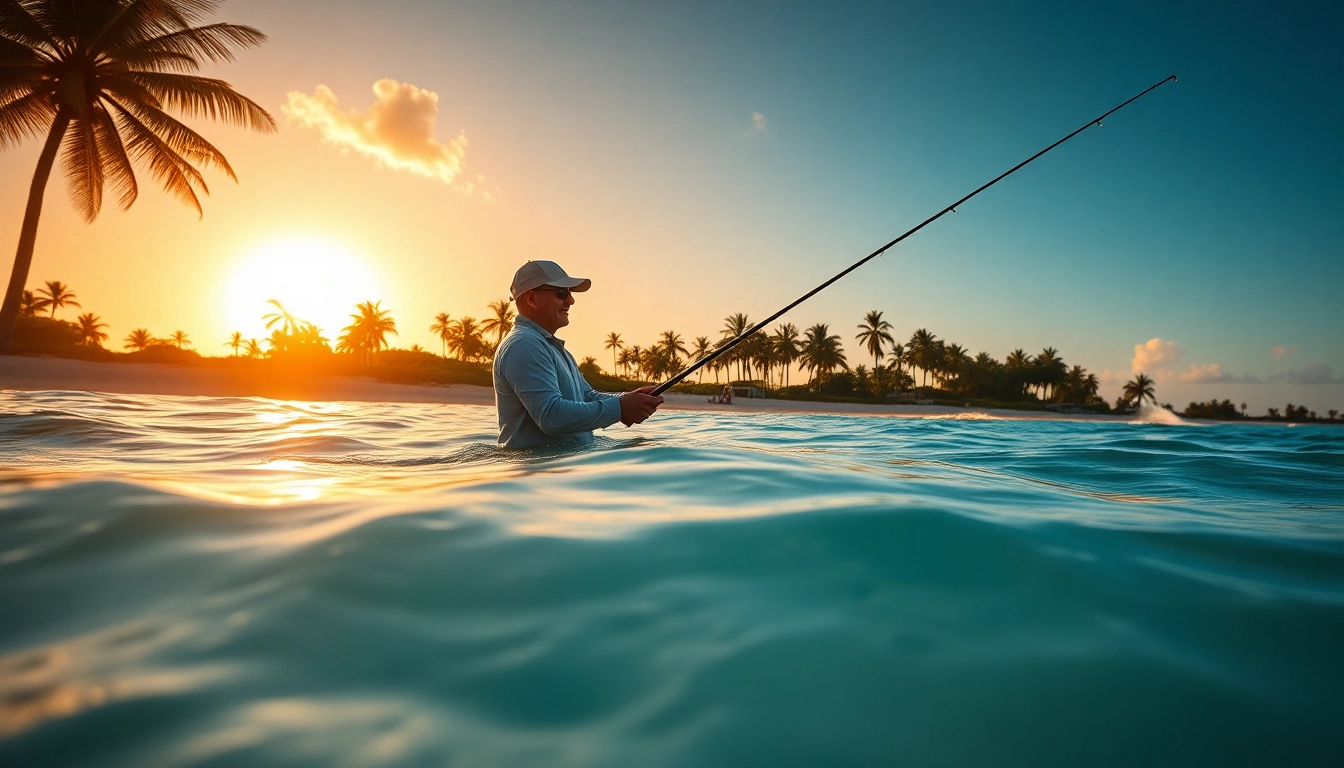
Introduction to Saltwater Fly Fishing
Saltwater fly fishing is a thrilling sport that combines the beauty of the ocean with the precision of fly fishing. The challenge of casting a lightweight fly to entice fish such as Bonefish, Snook, and Tarpon creates a unique experience for anglers. Whether you’re an experienced fly fisher or a novice, diving into the world of Saltwater fly fishing can broaden your outdoor adventures. This article will serve as an extensive guide, laying out all the essential aspects of this exciting fishing method, ensuring your journey into this sport is successful and rewarding. For detailed information, check out Saltwater fly fishing resources.
What is Saltwater Fly Fishing?
Saltwater fly fishing is a specialization of fly fishing that involves using artificial flies, specifically designed to mimic the prey of various saltwater fish species. This fishing style often occurs in coastal waters, estuaries, and salt flats. Unlike traditional fishing, which may use bait, fly fishing relies on the skill of casting and the chosen fly’s ability to attract fish. The most common targets in saltwater fly fishing include species such as Striped Bass, Tarpon, Mahi-Mahi, and various types of Snapper.
Why Choose Saltwater Fly Fishing?
Choosing Saltwater fly fishing opens up a variety of benefits. For one, it’s an exciting way to explore marine ecosystems, allowing for a more engaging connection with nature. The challenge of targeting fast-moving and often wily fish species can enhance your fishing skills significantly. Additionally, saltwater environments provide stunning backdrops, from tropical islands to rugged coastlines. The thrill of catching a fish on a fly rod offers a sense of accomplishment that many anglers cherish.
Essential Gear for Saltwater Fly Fishing
To successfully participate in Saltwater fly fishing, the right gear is crucial. Essential items include a fly rod built for saltwater use, a sturdy reel, specialized saltwater line, and a selection of durable flies. It’s also important to have the proper clothing to protect against the sun and elements, including polarized sunglasses, sun hats, and quick-dry clothing. Investing in quality gear designed for saltwater conditions can significantly impact your fishing experience.
Setting Up for Success
Choosing the Right Equipment
When it comes to choosing the right equipment for Saltwater fly fishing, understanding the specifications is key. A rod between 9 to 10 feet in length is usually ideal, paired with a 9-weight to 12-weight reel to manage larger saltwater species. The line should be a floating line for most situations, but a sink-tip or full sink line may be necessary in deeper waters. Flies often need to be larger and more robust compared to freshwater flies, with materials that can withstand harsher conditions.
Perfecting Your Casting Technique
Successful Saltwater fly fishing relies heavily on your casting technique. Unlike freshwater environments, saltwater often demands longer and more accurate casts to reach feeding fish without spooking them. Mastering techniques like the double haul casting method can increase distance, allowing your fly to land at the right spot. Practicing in a controlled environment before heading out can enhance both your cast accuracy and confidence on the water.
Tides and Conditions: Key Considerations
Tides play a vital role in Saltwater fly fishing. Fish behavior shifts with the changing tides, making it important to understand when to fish for optimal success. Fish tend to feed more actively during moving tides, particularly during the last two hours of an incoming tide and the first two hours of an outgoing tide. Conditions like wind, light, and water clarity also affect fish activity, so it’s valuable to be aware and adapt your strategies accordingly.
Top Destinations for Saltwater Fly Fishing
The Best Locations Worldwide
Before setting out on your Saltwater fly fishing adventure, consider some of the premier destinations known for exceptional fishing experiences. Locations like the Bahamas, renowned for its Bonefish flats, and Belize, where Tarpon and Permit are plentiful, are often highlighted by avid anglers. Australia offers spectacular long-range fishing opportunities targeting species that are unique to the region, while places like Florida’s Gulf Coast provide rich inshore fishing experiences. Each destination presents unique challenges and species, accommodating fishers of all skill levels.
Local Hotspots in the US
The United States hosts numerous hotspots for Saltwater fly fishing. Coastal regions like Florida, from the Florida Keys to the Everglades, feature diverse ecosystems full of species like Snook and Redfish. The coasts of the Carolinas also offer excellent fishing opportunities in estuarine and tidal environments. Alaska provides another unique backdrop with plentiful Salmon runs. Understanding local regulations and the best seasons to fish can take your Saltwater fly fishing adventure to the next level.
Planning Your Trip: What to Expect
When planning a Saltwater fly fishing trip, several factors should be taken into account. Start by researching the best time of year for specific species and destination weather conditions. Consider whether you will be fishing from a boat or wading, as this will inform your gear selections. If you’re new to the area, hiring a local guide can enhance your experience by providing valuable insights into local fishing techniques and locations. Ultimately, thorough preparation can lead to a more rewarding fishing experience.
Techniques and Tips to Enhance Your Skills
Understanding Fish Behaviors
Understanding the behavior of saltwater fish can create significant advantages on the water. Fish typically react to changes in water temperature, tides, and light exposure. Learning to read water currents and recognizing features like channels, points, and structure can help anglers locate fish concentrations. Observing feeding patterns—such as whether fish are feeding on the surface or deeper—can also influence the flies and retrieval techniques you choose.
Effective Fly Patterns for Saltwater Fishing
Selecting effective fly patterns for Saltwater fly fishing is essential for success. Popular types include Clouser Minnows, Deceivers, and Gurglers. Each fly is designed to mimic various baitfish, crustaceans, or other natural prey. It’s essential to consider the conditions you’ll be fishing in and choose flies that match the size, color, and profile of what fish are feeding on during that time. Having a diverse fly box that includes both surface and subsurface patterns will increase your chances for success.
Handling Equipment and Safety Tips
Proper handling of your equipment is vital for both performance and safety while Saltwater fly fishing. Ensure your gear is clean and free of saltwater post-use to maintain its longevity. When handling fish, be conscious of keeping them wet to reduce stress and increase their chances of survival upon release. Safety is also paramount; always wear appropriate personal flotation devices if fishing from a boat, and keep an eye on weather conditions to ensure a secure and enjoyable outing.
Frequently Asked Questions
1. Does fly fishing work in saltwater?
Yes, fly fishing works extremely well in saltwater, allowing anglers to target various species like Bonefish and Snook effectively.
2. What is the 60/20/20 rule in fly fishing?
This rule pertains to leader construction: 60% for the butt section, 20% for the midsection, and 20% for the tippet, ensuring optimal performance.
3. What saltwater fish can you fly fish for?
You can target several saltwater species using fly rods, such as Mahi-Mahi, Tarpon, Redfish, and others depending on the location.
4. Where is the best saltwater fly fishing?
Some of the most renowned destinations include the Bahamas for Bonefish, Belize for Permit, and Australia’s diverse coastlines for various species.
5. What gear do I need for saltwater fly fishing?
Essential gear includes a saltwater fly rod, appropriate reel, specialized line, and a selection of robust flies designed for the species you’re targeting.