
 By admin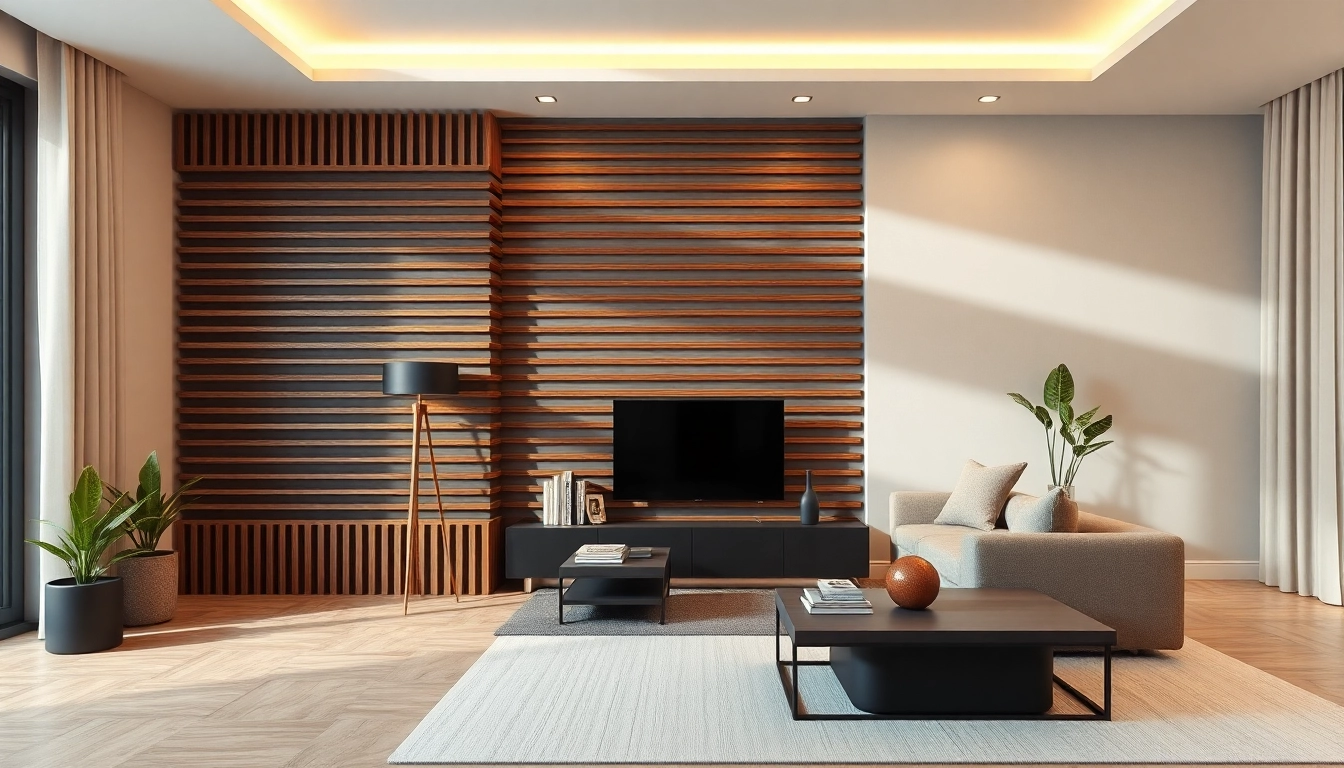
Introduction to the Slatted Wall
What is a Slatted Wall?
A slatted wall is a design feature that utilizes vertical or horizontal slats to create a visually appealing and functional space divider or accent wall. These slats can be made from various materials, including wood, metal, and alternatives, creating a unique aesthetic that enhances any interior or exterior. As a versatile design element, a slatted wall can serve different purposes, from decorative to architectural, contributing to the overall ambiance of a room.
Benefits of Using Slatted Walls
Slatted walls offer numerous benefits to homeowners and designers alike. First and foremost, they introduce texture and depth to spaces, allowing for interesting visual effects that paint an inviting atmosphere. These walls can also optimize light flow, maintaining a sense of openness while providing some privacy. Further, a slatted wall can serve as an excellent acoustic barrier, reducing noise levels in busy environments. Beyond aesthetics and functionality, slatted walls enable more sustainable building practices, often requiring fewer materials and fostering environmentally friendly designs.
Design Considerations
When planning a slatted wall, it’s crucial to consider the space’s overall style and function. Think about the orientation of slats—horizontal slats can make a room feel wider, while vertical slats can add height. Additionally, the spacing between slats can impact light and air flow, which should be tailored to meet specific needs. Choosing appropriate colors and finishes is also vital; natural wood can bring warmth, while metal can instill a modern vibe. Ultimately, every decision should align with the desired aesthetic and functionality of the space.
Popular Materials for Slatted Walls
Wood and Its Warmth
Wood remains a favorite choice for slatted walls due to its natural appeal and versatility. Whether using reclaimed wood for a rustic charm or sleek hardwoods for a contemporary look, wood offers unique grain patterns and textures that add character. It is also relatively easy to work with, making installation feasible for DIY enthusiasts. However, it’s essential to treat wood properly to withstand moisture and pests, ensuring longevity and maintaining its beauty over time.
Metal Options for a Contemporary Look
Metal slatted walls offer a bold, modern aesthetic that can transform a space dramatically. Options such as aluminum and corten steel provide a sleek, industrial look while being low-maintenance and highly durable. Metal slats can be painted or left in their natural finish to align with varied design themes. They are an excellent choice for both interior and exterior applications, resisting weather elements and enhancing the structural integrity of buildings.
Alternative Materials to Explore
Beyond traditional wood and metal, several alternative materials can be employed for slatted walls. For example, bamboo is an eco-friendly option that offers a unique look and is highly sustainable. Composite materials are also gaining traction for their low maintenance and resistance to environmental factors. Additionally, perforated panels made of various substances can provide further customization through unique designs, catering to specific aesthetic or functional requirements.
Creative Applications of Slatted Walls
Indoor Design Inspirations
Slatted walls can dramatically alter the dynamics of indoor spaces. In living rooms, they can serve as accent walls behind televisions or fireplaces, creating a striking focal point. In bedrooms, slatted walls can enhance the ambiance when used behind headboards, adding texture without overwhelming the space. Kitchens and dining areas benefit from slatted walls by allowing light to diffuse while maintaining a sense of separation between different areas. Thoughtful placement can lead to innovative storage solutions, such as incorporating shelves within slatted designs.
Using Slatted Walls Outdoors
Outdoor spaces are equally enhanced by slatted walls, which can define patios, decks, and garden areas. They work well as privacy screens in backyards, helping to block out neighbors while facilitating airflow and natural light. Moreover, slatted walls can be employed in vertical gardens, climbing vines, or as supports for outdoor furnishings like hammocks and swings. These walls can also serve as decorative elements in outdoor dining areas, providing a chic atmosphere for entertaining.
Functional Applications in Spaces
Aside from their aesthetic appeal, slatted walls can serve various functional purposes. For instance, they can be used as room dividers in open-concept living spaces, creating distinct areas for different activities without constructing permanent walls. In office settings, slatted walls can add an element of design while providing acoustic insulation, promoting privacy during meetings. In retail environments, they showcase products effectively while maintaining an appealing visual flow through the store.
Installation Tips for Slatted Walls
DIY vs Professional Installation
Deciding between a DIY installation and hiring professionals largely depends on your experience level and the complexity of the project. DIY installations can be rewarding and cost-effective but require knowledge of carpentry and design principles. For those unfamiliar with construction skills, seeking professional assistance can ensure a high-quality finish and adherence to safety standards. Regardless of the choice, proper planning and measurements are crucial for a successful installation.
Essential Tools for Installation
Equipping yourself with the right tools is essential for a successful install. Basic tools needed include a measuring tape, level, saw, drill, screws, and a stud finder. Depending on the material you choose, additional tools such as nail guns or sanders may be necessary. Preparation also involves ensuring the wall structure is suitable for the installation; this might include reinforcing areas where heavy materials will be placed.
Maintenance and Care
Maintaining a slatted wall requires regular care to keep it looking new and functioning well. Wood slatted walls may necessitate periodic sealing or staining to protect against moisture and UV damage, ensuring they complement the environment. For metal walls, simply wiping them down with a damp cloth periodically will suffice; in cases of rust, a specialized cleaner should be used. Further, inspect all surfaces regularly to address any potential wear or damage promptly.
FAQs About Slatted Walls
Can I install a slatted wall myself?
Yes, installing a slatted wall can be a DIY project. However, it requires carpentry skills and careful planning to ensure it looks professional.
What materials work best for slatted walls?
Popular materials include wood, metal, and eco-friendly options like bamboo or composite materials, chosen based on desired aesthetic and functional needs.
Are slatted walls soundproof?
While slatted walls can offer some sound insulation, they are not completely soundproof. Their effectiveness depends on the materials used and the spacing of the slats.
How much do slatted walls cost?
The cost of slatted walls varies based on materials, size, and labor. Expect prices to range from a few hundred to several thousand dollars, depending on your design.
Can slatted walls be painted?
Yes, slatted walls can be painted. Ensure proper surface preparation for wood or metal to achieve a smooth finish and optimal adhesion of the paint.